2026

Welcome to our new Community Centers!

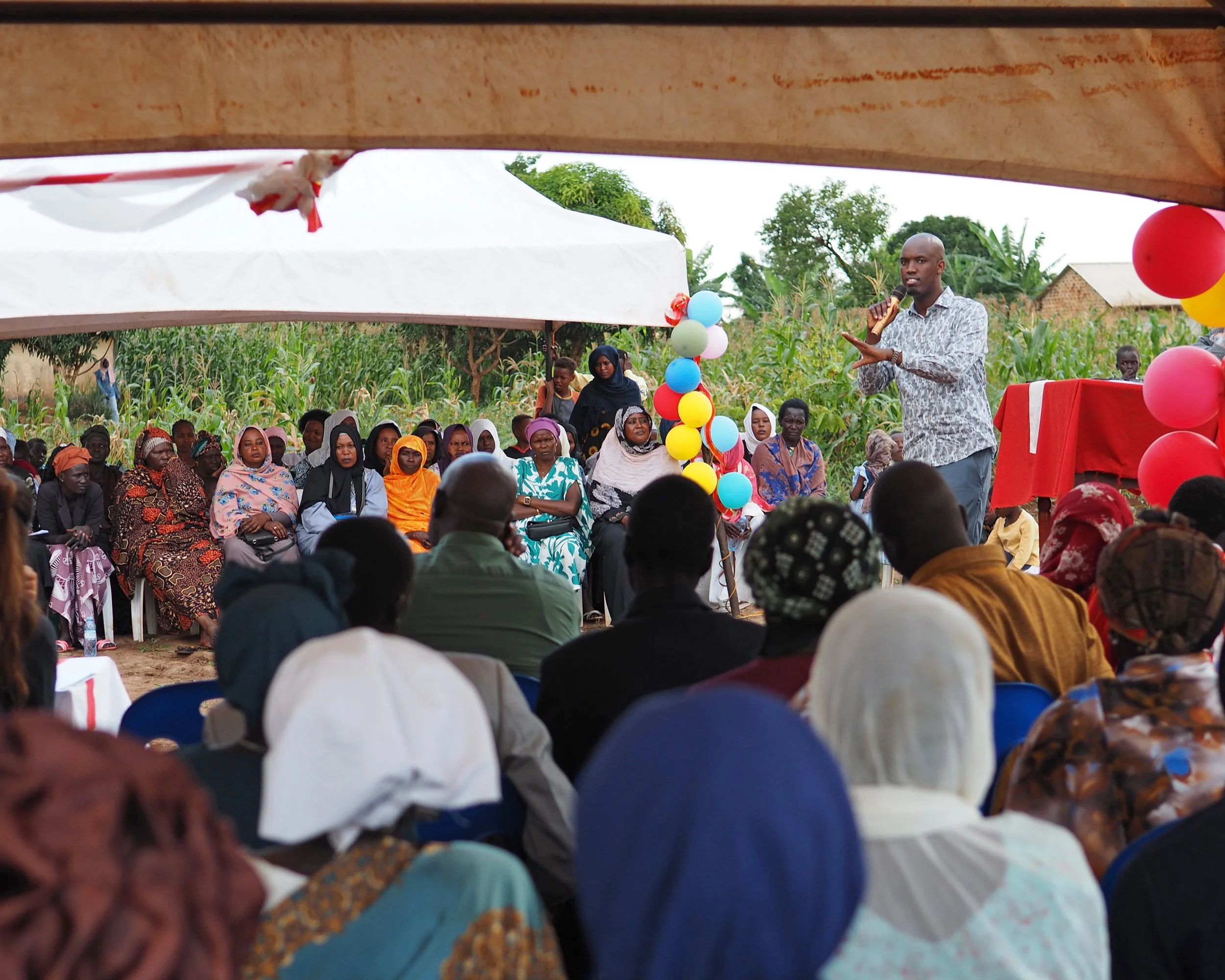
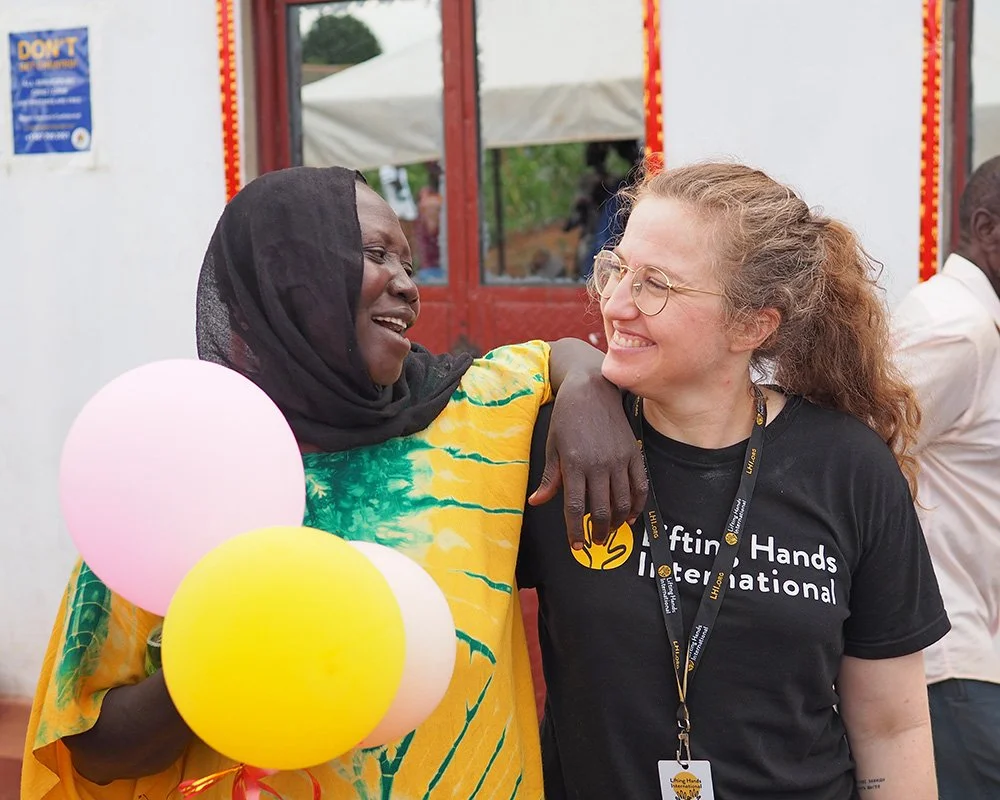
Just a few weeks ago, LHI Founder/CEO Hayley joined Tara and Roman from our operations team in northern Uganda’s Bweyale refugee settlement for a historic milestone: the grand opening of our very first Community Center in Uganda!

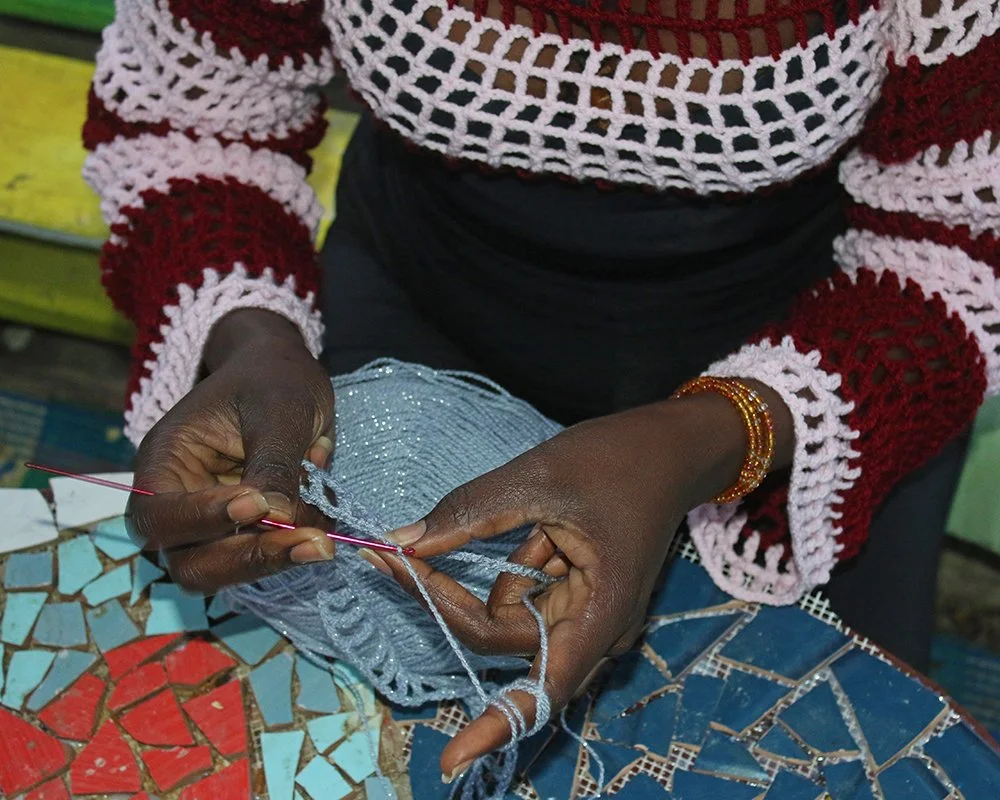
The community’s desire for a dedicated space to learn, grow, and build new careers inspired the vision of the center back in 2025. Local community members have been the driving force behind every single step of the construction process, from sourcing the raw materials to physically raising the structure. The day to day operations are also led by local community members—they’re planning the curriculum, teaching the sessions, and ensuring everything is tailored to what people truly need.

In isolated refugee camps like Bweyale, job opportunities are incredibly scarce, forcing families to rely on aid despite their deep desire to provide for themselves. This tuition-free education hands the reins back to the community, equipping women with the skills and tools they need to build independent, brighter futures.

On opening day, the energy was electric. Surrounded by colorful balloons, crowds of excited students, teachers, and local supporters packed the space. Hayley delivered speeches in both Arabic and English, with community leaders translating the message to their peers. There was music, dancing, and a profound sense of collective pride—after months of hard work, a shared dream had finally come to life.

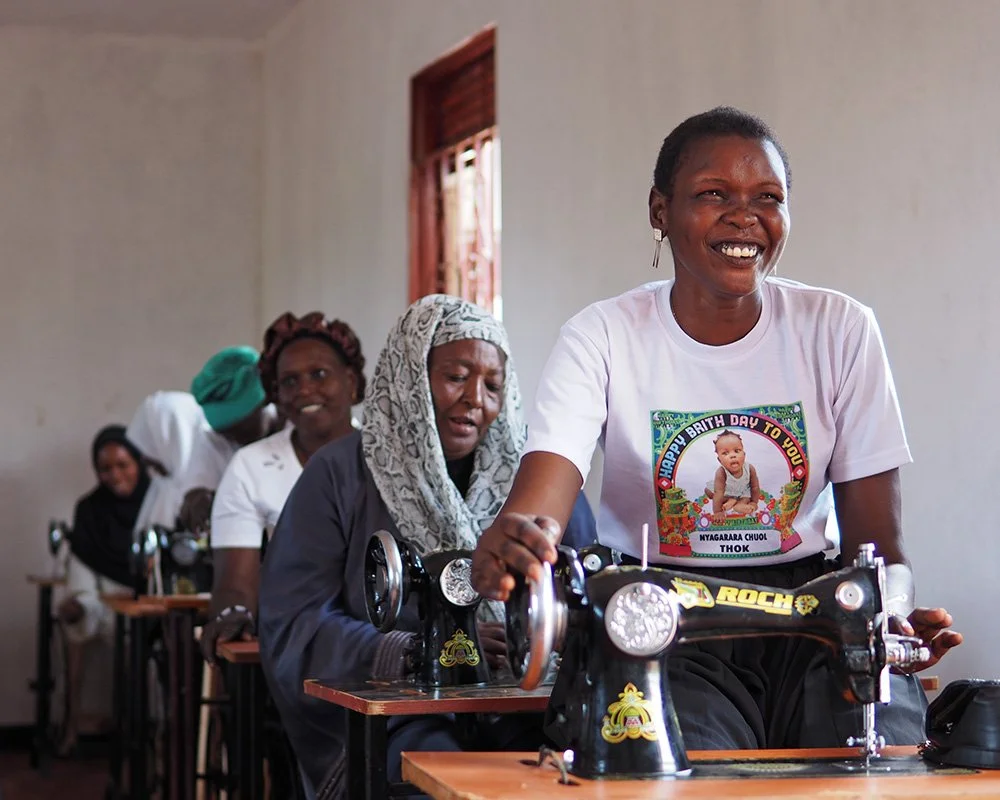
Moving forward, the center will host two parallel, six-month vocational tracks: 30 students in tailoring and 30 in hairdressing. Over the next year alone, 120 women from the South Sudanese and Sudanese refugee communities will graduate with the skills needed to launch their own businesses. 

Martha Chuol, a South Sudanese student in the tailoring track, said: 

"This vocational training facility addresses a critical gap in our community. Previously, accessing affordable, quality technical education was a significant challenge. By providing localized, tuition-free training, this initiative has created a viable pathway for professional development. I am confident that mastering these tailoring skills will enable me to get a job or start my own business, then secure a sustainable livelihood."

Rebecca Buk, one of our hairdressing students, was ecstatic about being selected for the cohort.

“We thank you very much, may God bless you for thinking of us. We are going to gain skills that will help us create our own jobs. It was my dream, but I didn’t have a way to start.”

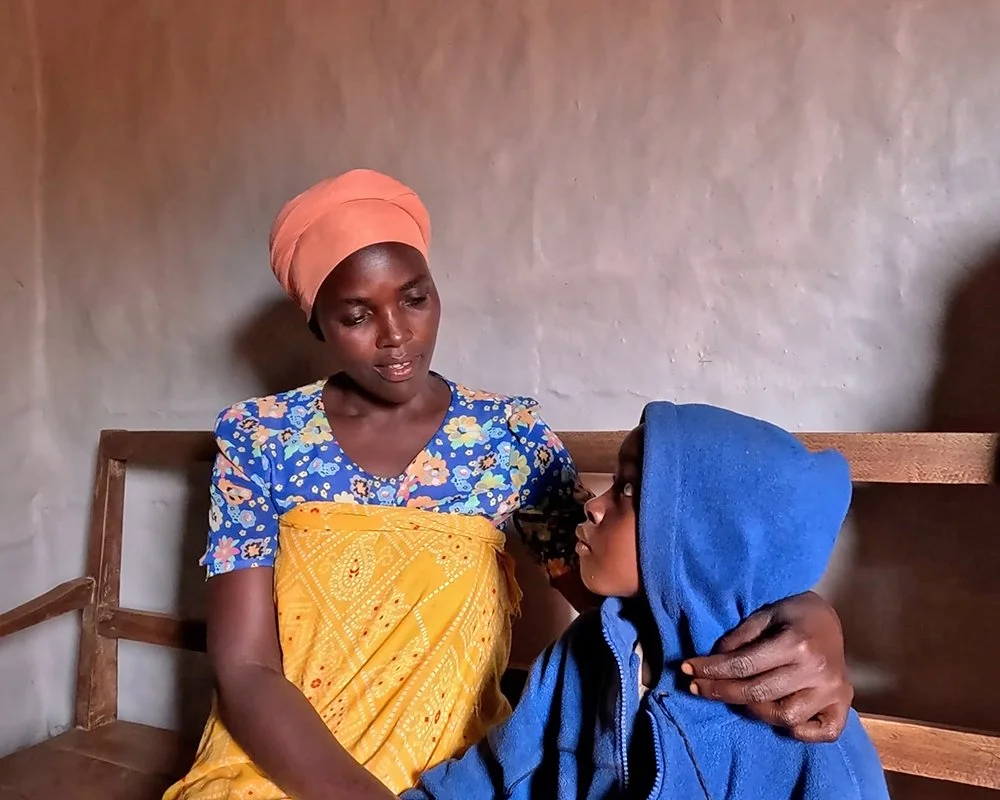
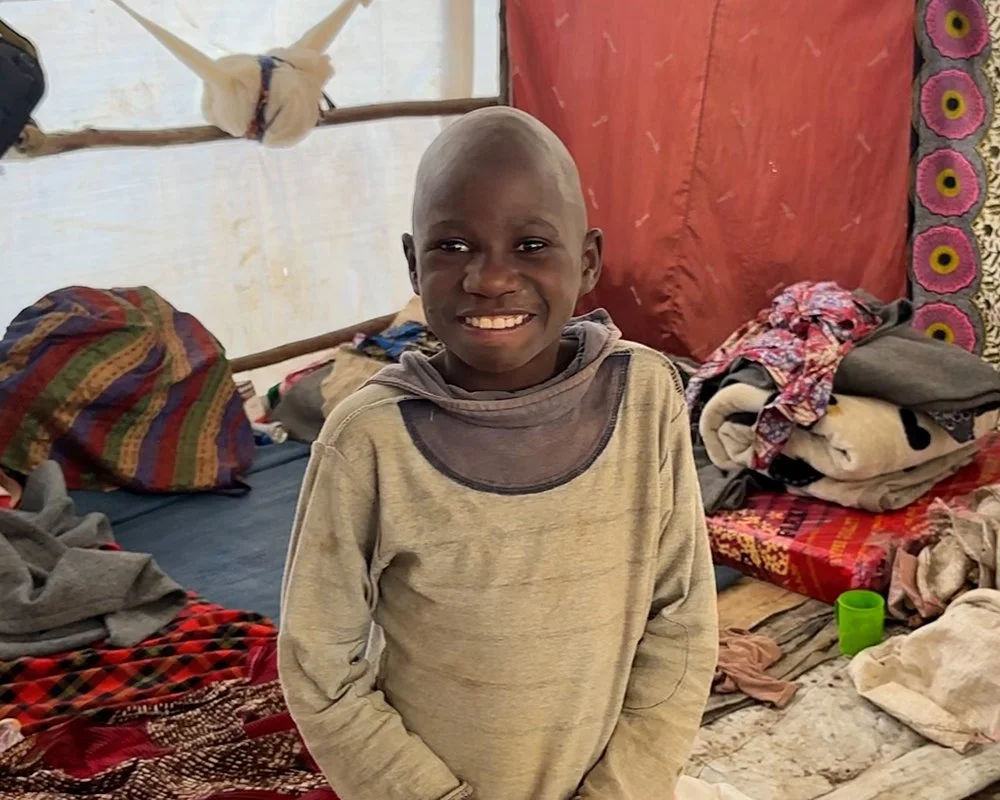
The impact of this Center also stretches far beyond financial independence. The women are from Sudan and South Sudan, which have a long, tumultuous history of conflict. For many of the women, this is the first time they’re sitting side-by-side with people from another nationality. Teachers and students alike were deeply appreciative of the chance to come together and learn, no matter where they came from.

Days after celebrating in Bweyale, the team traveled south for the grand opening of our very first Community Center in Burundi’s Musasa refugee camp! 

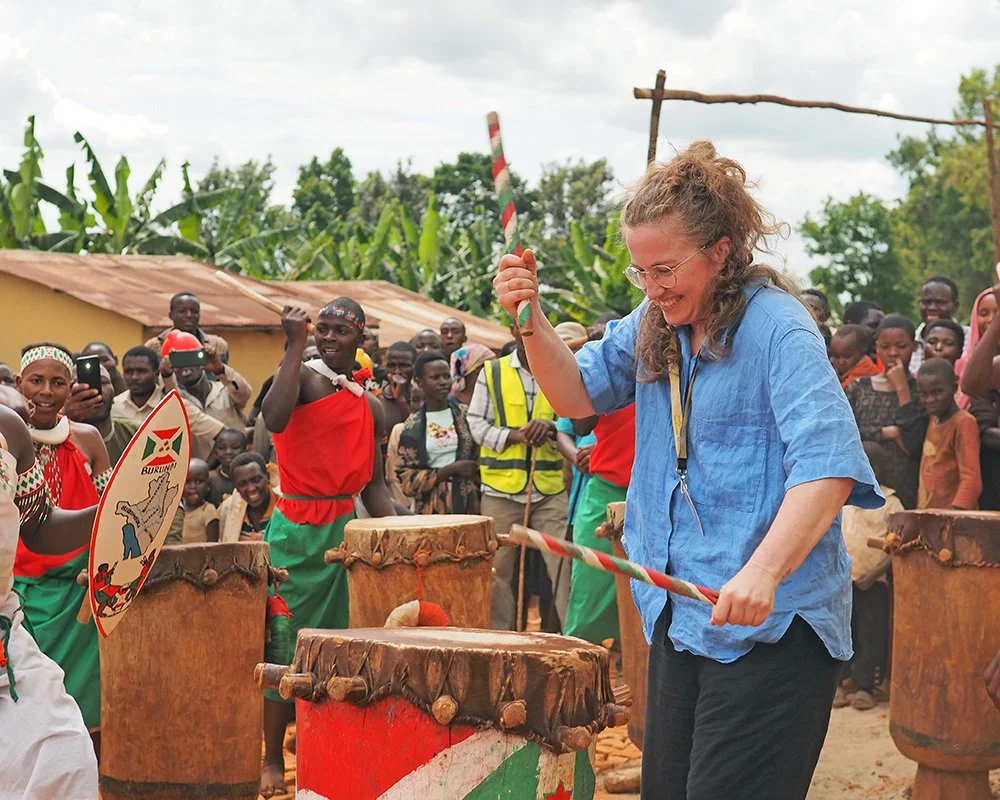
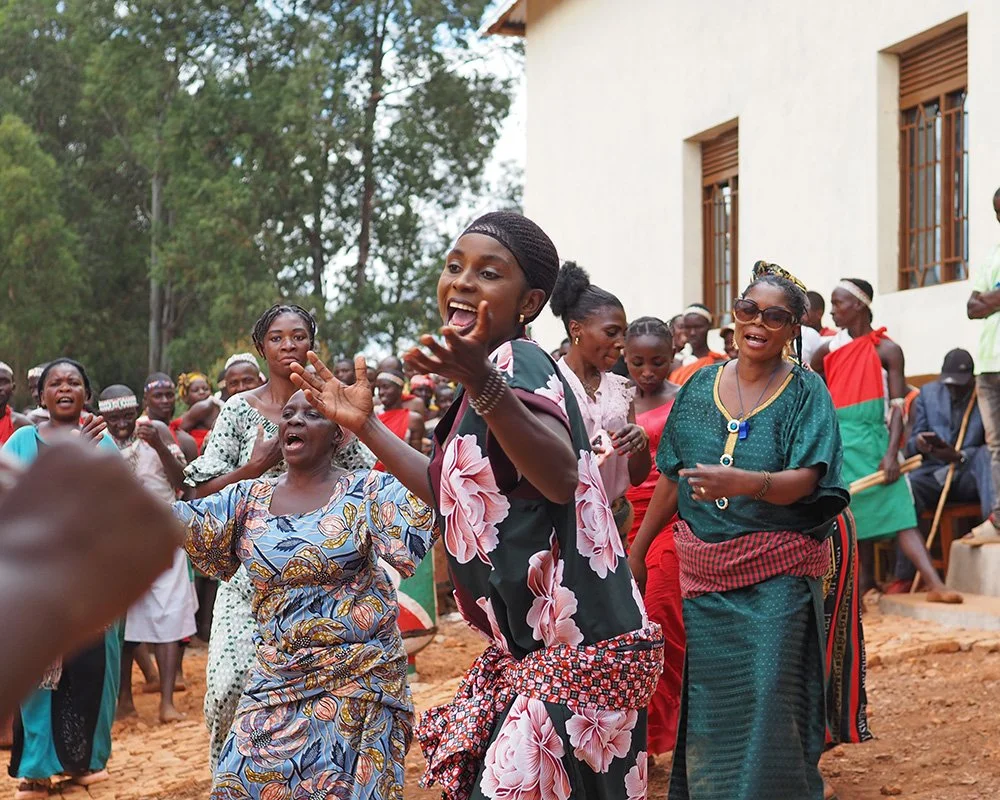
The team was blown away by the festivities in Bweyale, and Musasa’s community refused to be outshined. The air came alive with rhythms from traditional Burundian drummers and a Congolese music group. Hayley, who’s also an avid drummer, was handed a pair of drumsticks and pulled right into the circle to play along. 

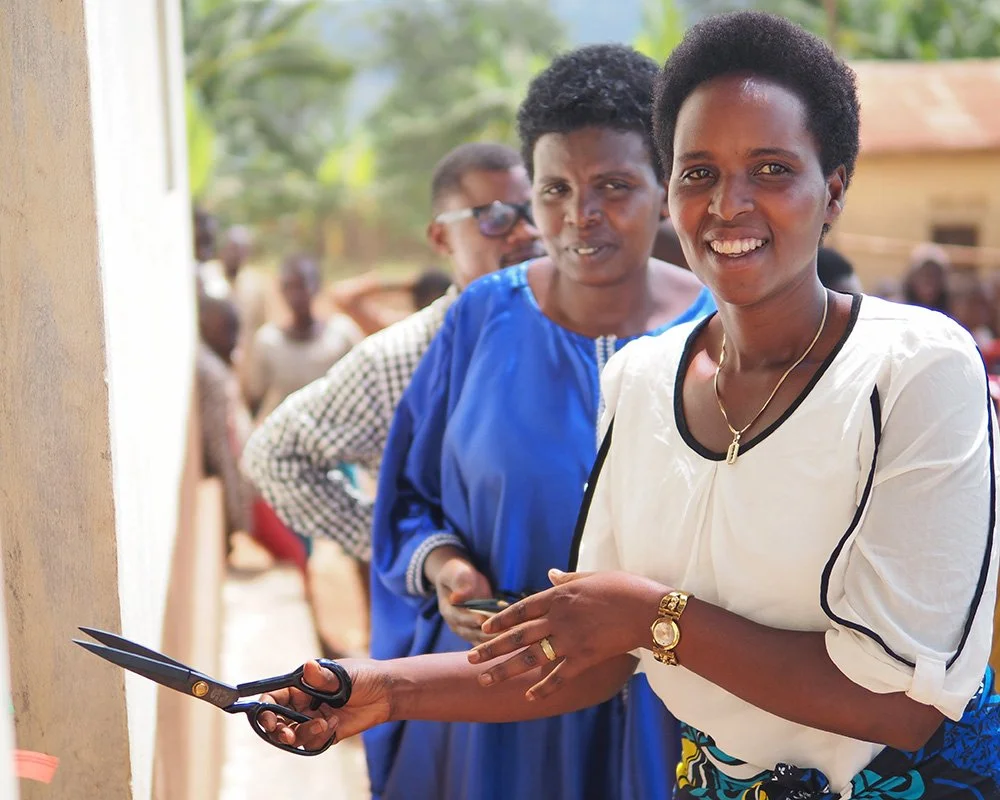
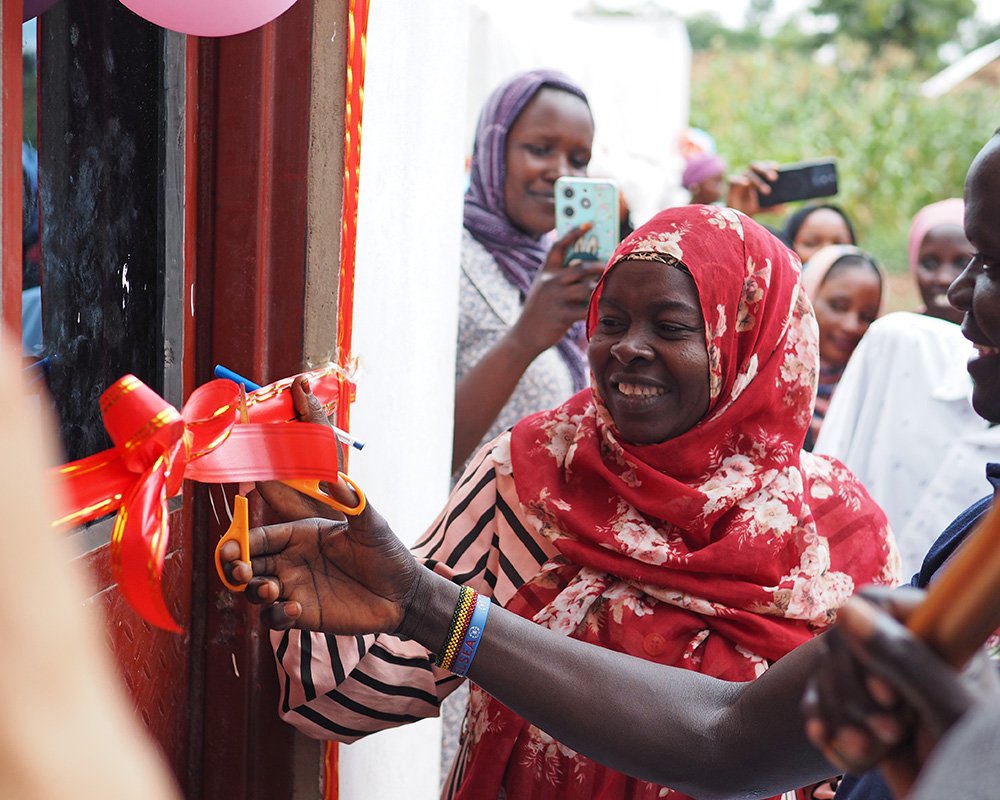
Once the ribbons were cut, the doors to our second Center officially opened. Much like the Center in Uganda, this space will also host parallel, six-month tracks in tailoring and hairdressing for cohorts of 30 students. In Musasa, we’ll be serving both Congolese refugees living inside the camp and Burundian women from the surrounding host community, weaving strong ties between people from different backgrounds.

Though separated by borders, both centers share the same powerful mission: to empower displaced women with the space and skills to rebuild on their own terms.

From Displacement to Independence: How Goats are Rebuilding Lives in Kenya

By Honor Smith-Wright, Impact Writer

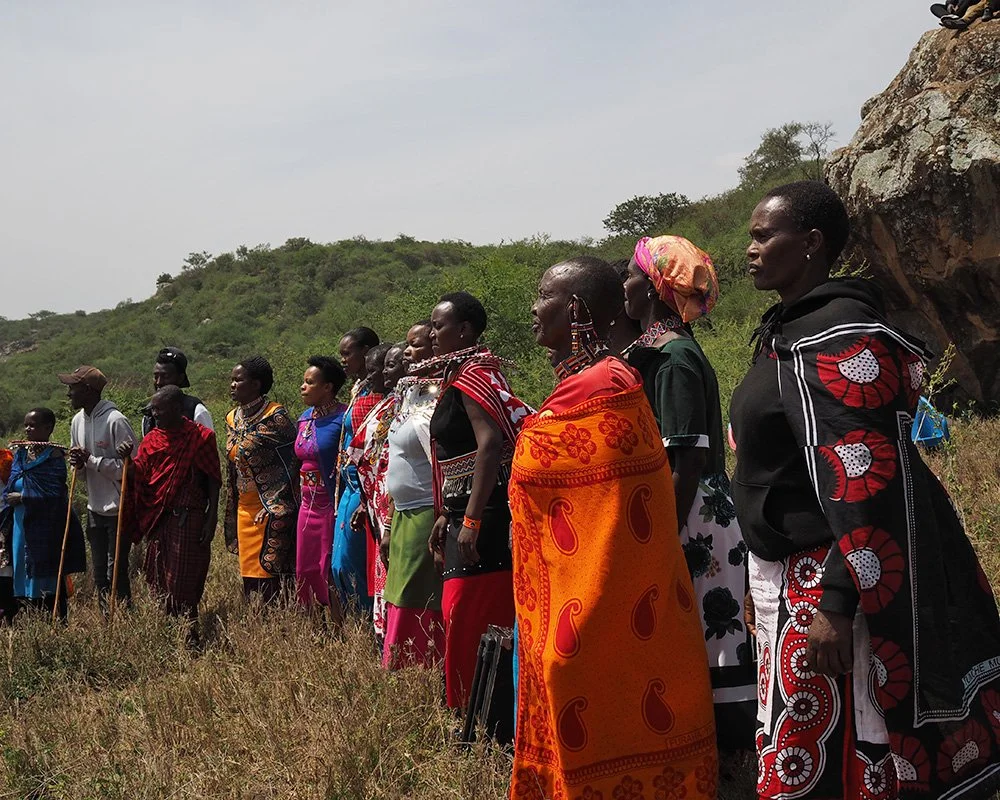
In the southern reaches of Kenya lies Kajiado County, a vibrant region shaped by lush national parks and the heritage of the Maasai community. But in recent years, Kajiado has also become a refuge for people fleeing violence and instability in neighboring countries—including Somalia, South Sudan, Burundi, Ethiopia, and the Democratic Republic of the Congo (DRC).

When people are forced to flee their homes, they often leave everything they own behind—small businesses, clothes, wealth, and farm animals. For families who owned and managed livestock in their home countries, their animals were both a way of life, and an important financial resource. Forced to leave their herds behind, many lose their life savings and an important avenue for generating income.

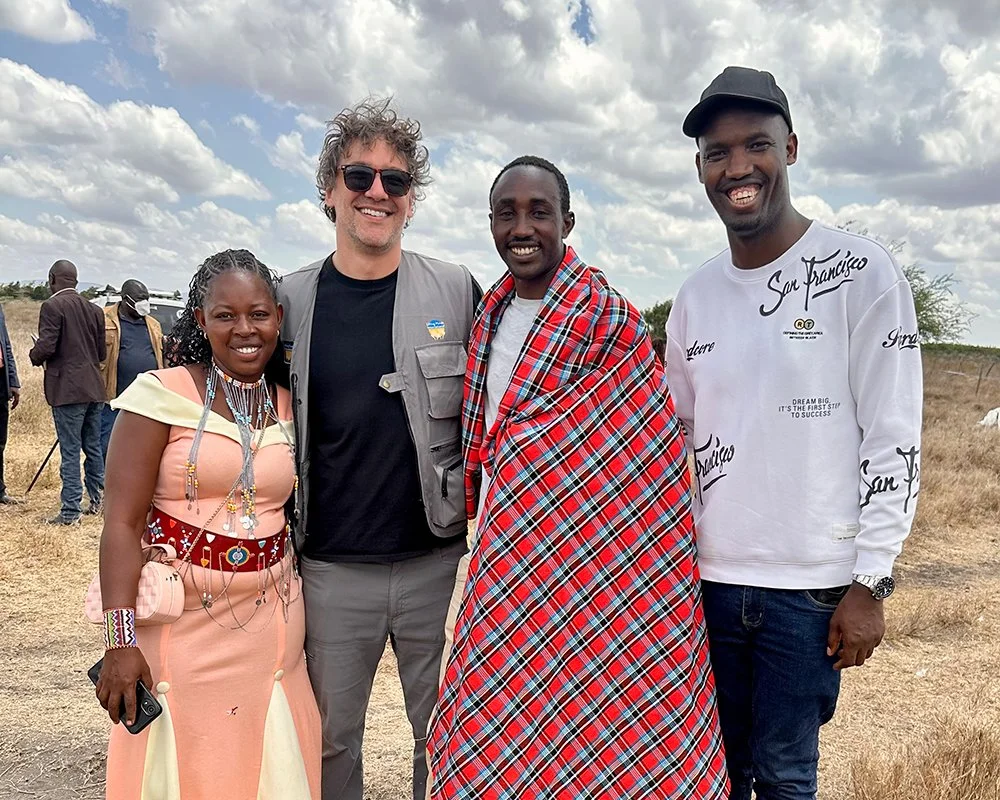
LHI COO Jaron visited Kenya for our first ever distribution there.

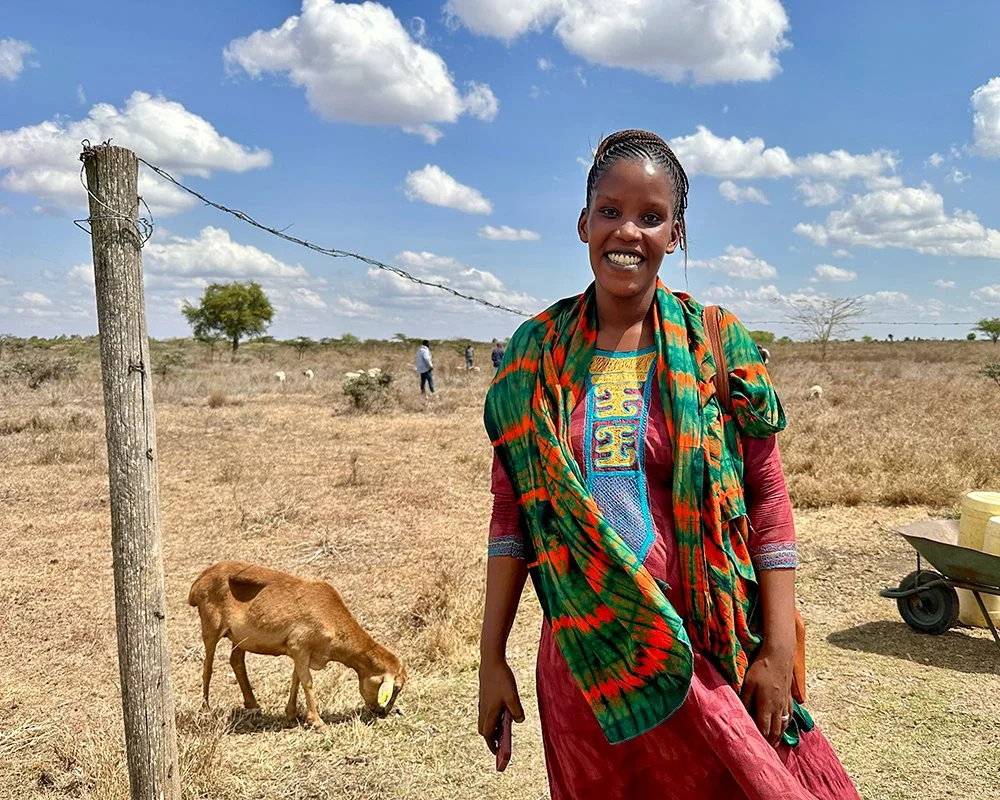
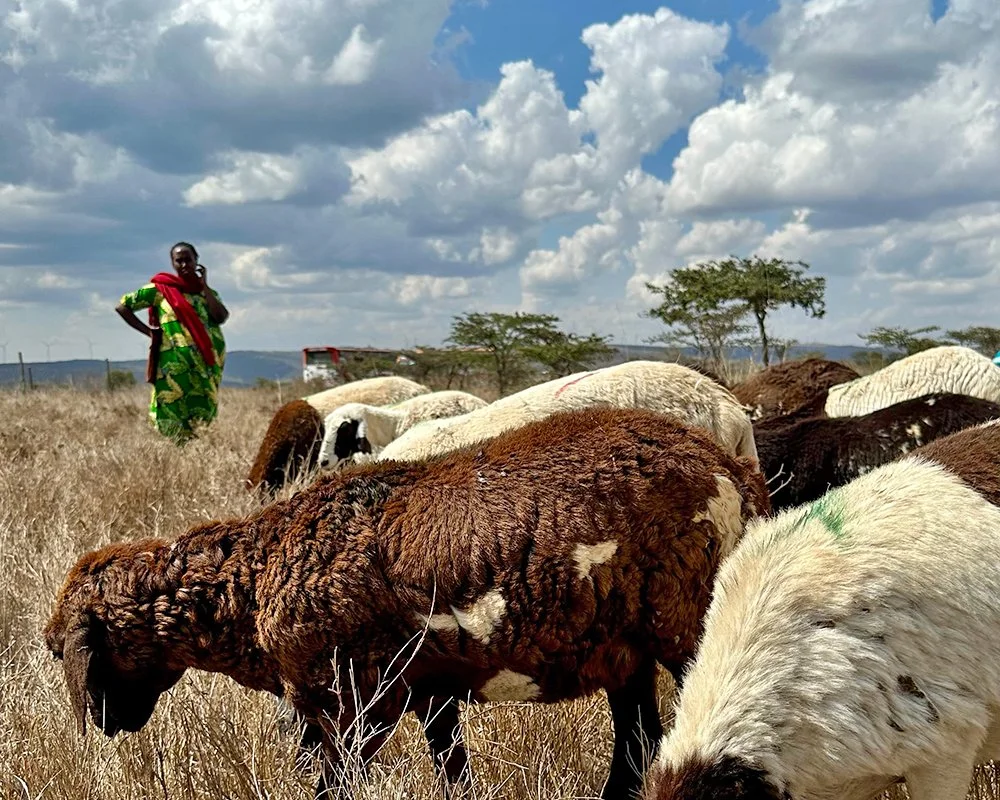
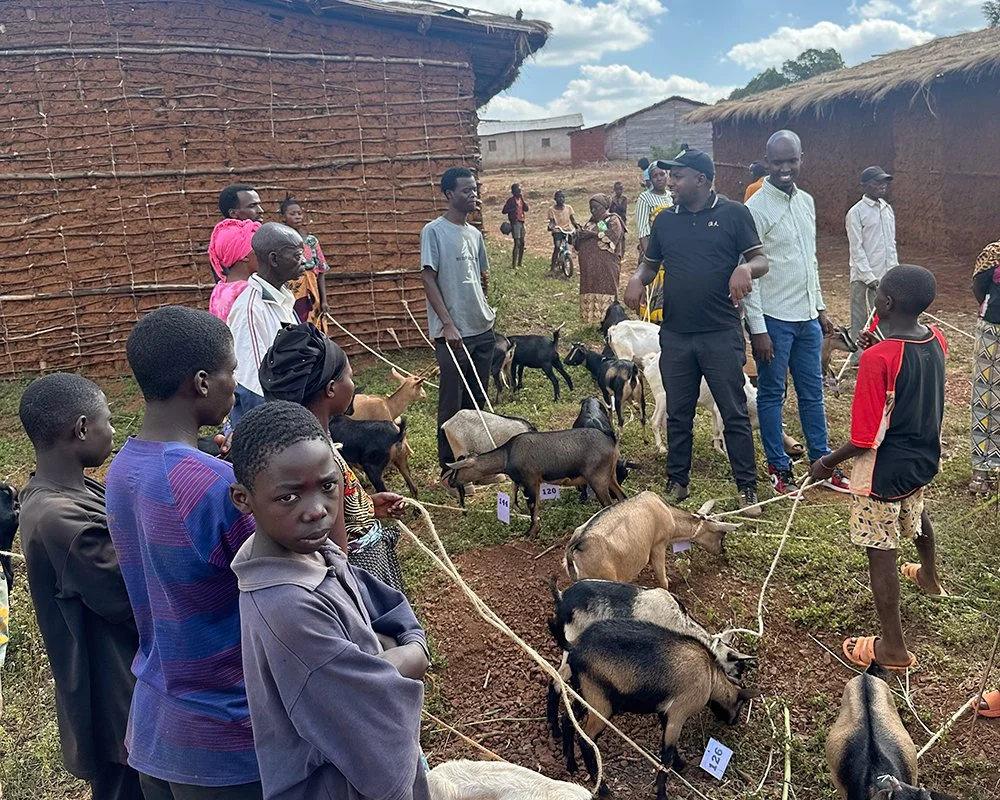
Last year, LHI launched a new chapter of the Animal Tracks program in Kajiado, to help families rebuild what they were forced to leave behind. In partnership with Give Refugees Hope International, we distributed 205 goats between 100 families, with extra males for breeding. In Kajiado, goats are both a source of milk and a valuable resource that can be bred and eventually sold, contributing to the money needed to rebuild lives after displacement.

Asa’s Story

Asa Nantor is one of the 4.5 million people displaced by two decades of armed conflict and insecurity in her native DRC. There are still over 100 armed groups fighting for control, forcing families to abandon their homes and search for safety elsewhere. Like many arriving in Kajiado, Asa was determined to provide her children with a stable education.

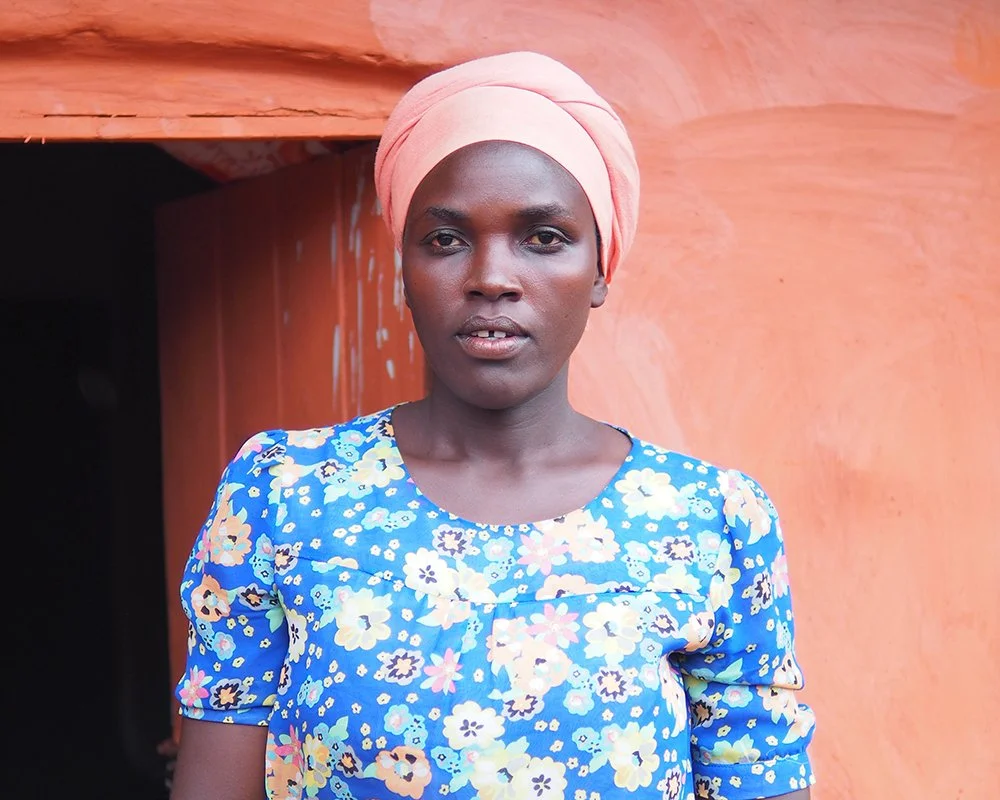
Asa is a soon to be mother of four who fled the DRC.

Having these goats helps Asa reclaim something that displacement usually takes away: the ability to make her own financial choices. In a new host community like Kajiado, where steady jobs are often hard to find, these animals act as a ‘village bank’. By breeding goats and selling the offspring, Asa can create her own paycheck—one that helps cover the cost of food and get the fees needed to get her children into school.

Asa is already putting this strategy to work. By using her existing skills to grow her herd, she isn’t just looking for a quick fix; she’s managing a long-term project for her family’s stability. As she explains:

“I’m going to wait to sell them, because I’m thinking of tomorrow and not today.”

This approach is often called the “ladder effect”. Someone starts with a goat, and the sale of its offspring can eventually allow them to purchase a cow, fund a small business, or invest in land. For Asa—pregnant and managing a household of three—owning a goat can act as a tool to help her carve out a more stable life.

“With our kids going to school, we’ll be able to afford things more than ever. I want to say thank you so much for sending these goats. We hope for things to get better.”

Why Goats?

While goats are chosen primarily for their resilience in Kajiado’s dry climate, they also offer a particular advantage for women’s autonomy. In many rural communities, large livestock like cattle are often seen as ‘men’s assets’, while smaller farm animals like goats fall under the care of women.

When refugee women are empowered, the whole community benefits and thrives.

By providing goats, the program taps directly into an economy women already manage and have the skills to grow. Goats are practical too. They can be managed from the kitchen garden and do not require lots of land—a big advantage for families living in crowded and resource-scarce areas. Even more importantly, goats reproduce quickly, often giving birth to twins or triplets. This fast growing herd acts as a reliable safety net, providing families like Asa’s with a clearer path toward the life they are working to build.

Since we started distributing farm animals for refugee families in 2017, we’ve helped thousands of people unlock opportunity and build brighter futures.

While both parents contribute, research shows that money controlled by women is more likely to be spent on the household and education. In this context, providing goats is an investment in a mother’s existing commitment to her children’s future. By facilitating a reliable source of income that women can manage themselves, the program supports their independence and can create a positive knock-on effect for the whole family. This could look like food on the table, a secure home, or a new uniform for that first day of school in Kajiado. As Asa told us:

“I’m so happy to be able to live in a country that’s safe, because now we’re in a home where we know we can make it to a better life, because those who can afford school fees can learn and study”

At its core, Animal Tracks is about more than livestock. It’s about restoring the agency that displacement often takes away. When you support this program, you aren't just giving a goat—you’re stabilising a family’s future and providing them with greater access to a vital childhood education.

SUPPORT THE PATH TO THE CLASSROOM

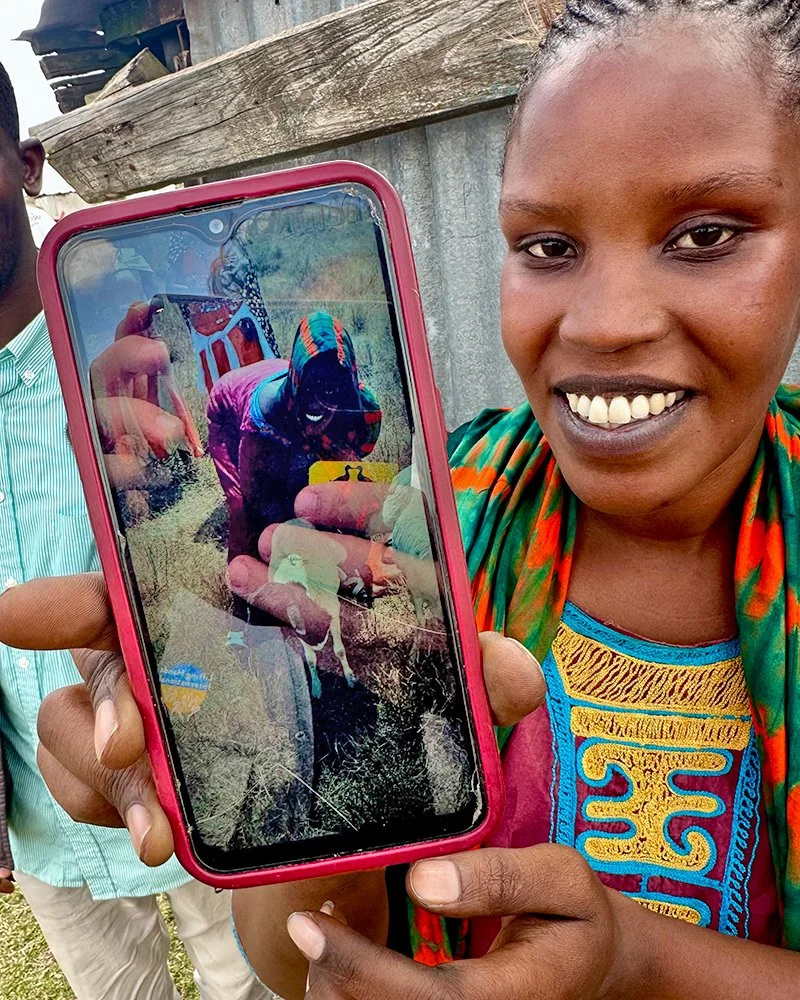
Asa smiling whilst showing us a photo of her new goat.

Honor Smith-Wright began her work with Lifting Hands International as a volunteer in Serres, Greece. She works in purpose-led communications, with a focus on platforming stories that drive systemic change. Honor now contributes to LHI as an Impact Writer.
Sources

Doss, C., Deere, C.D., Oduro, A.D. and Swaminathan, H. (2018). ‘Gender and asset ownership: A guide to collecting individual-level data’, World Development, 107, pp. 192-201. https://doi.org/10.1016/j.worlddev.2017.12.012

Galiè, A., Najjar, D., Petesch, P., Badstue, L. and Farnworth, C.R. (2022). ‘Livestock Innovations, Social Norms, and Women’s Empowerment in the Global South’, Sustainability, 14(7), p. 3741. https://doi.org/10.3390/su14073741

Holmann, F., Rivas, L., Urbina, N., Rivera, B., Giraldo, L.A., Guzman, S., Martinez, M., Medina, A. and Ramirez, G. (2005). ‘The role of livestock in poverty alleviation: An analysis of Colombia’, Livestock Research for Rural Development, 17(11). http://www.lrrd.org/lrrd17/1/holm17011.htm

ILRI (2003). Livestock, a pathway out of poverty: ILRI’s strategy to 2010. Nairobi: International Livestock Research Institute. https://assets.publishing.service.gov.uk/media/57a08ad7ed915d622c000935/Ilri_interim_strategy_2011.pdf

Maass, B.L., Chiuri, W., Zozo, R., Katunga, D., Metre, T.K. and Birachi, E. (2013). ‘Using the ‘livestock ladder’ as a means for poor crop–livestock farmers to exit poverty in Sud Kivu province, eastern DR Congo’, ResearchGate. https://www.researchgate.net/publication/260079653

Oluwatayo, I.B. and Oluwatayo, T.B. (2012). ‘Small Ruminants as a Source of Financial Security: A Case Study of Women in Rural Southwest Nigeria’, Journal of Agribusiness and Rural Development, 26(4), pp. 49-56. https://doi.org/10.17306/J.JARD.2018.00358

Quisumbing, A.R. and Maluccio, J.A. (2003). ‘Resources at Marriage and Intrahousehold Allocation: Evidence from Bangladesh, Ethiopia, Indonesia, and South Africa’, Oxford Bulletin of Economics and Statistics, 65(3), pp. 283-327. https://doi.org/10.1111/1468-0084.t01-1-00052

From the DRC to Burundi: Surviving and Reclaiming Light

Every refugee's journey is different, and so are their needs. That's why we meet people where they are, to better understand how to help. Standing in solidarity with people—rather than assuming we know what’s best—ensures we provide effective support and aid that’s truly needed.

Over the past few years, we’ve worked deeply with people affected by increasing militia violence in the Democratic Republic of the Congo (DRC), a mineral rich country in central Africa. For decades, external exploitation and global greed for resources like cobalt and gold have fueled over 100 different militia groups. These groups fight for control of mining territory, leaving a trail of displacement and systemic violence in their wake. Many Congolese people, like Lisa, just recently fled to the neighboring country of Burundi. Others, like Nyamaneza, arrived in Burundi many years ago, and have struggled to find a stable path forward.

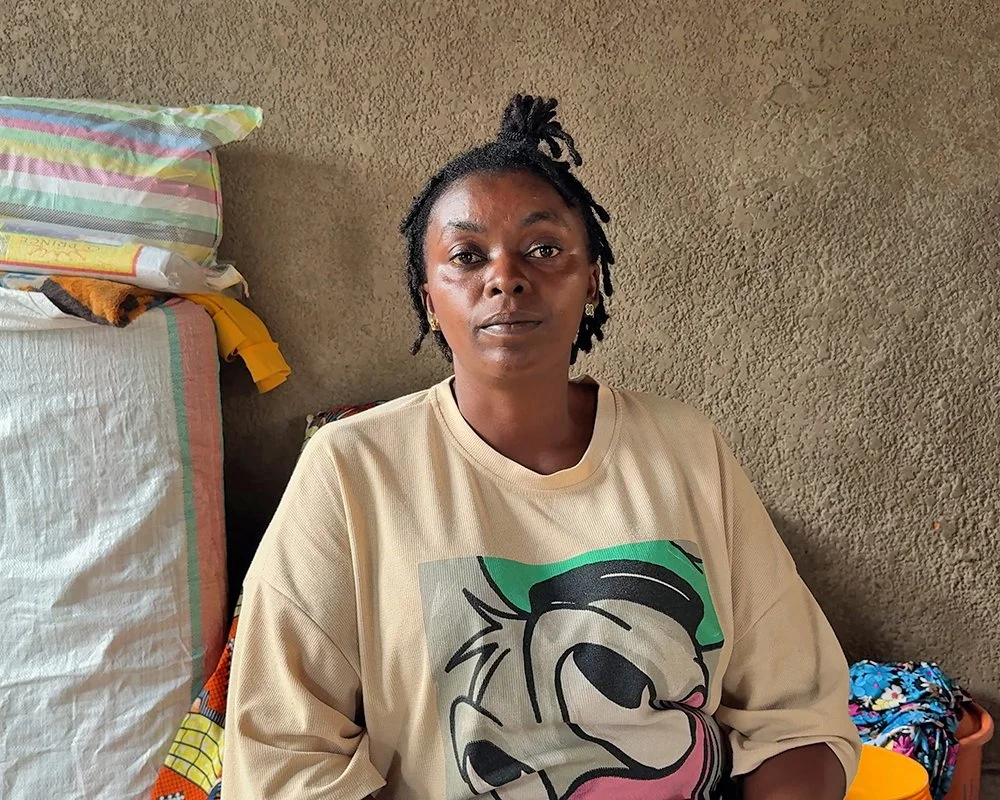
We met Lisa during a distribution of emergency aid in Burundi’s Rutana refugee camp.

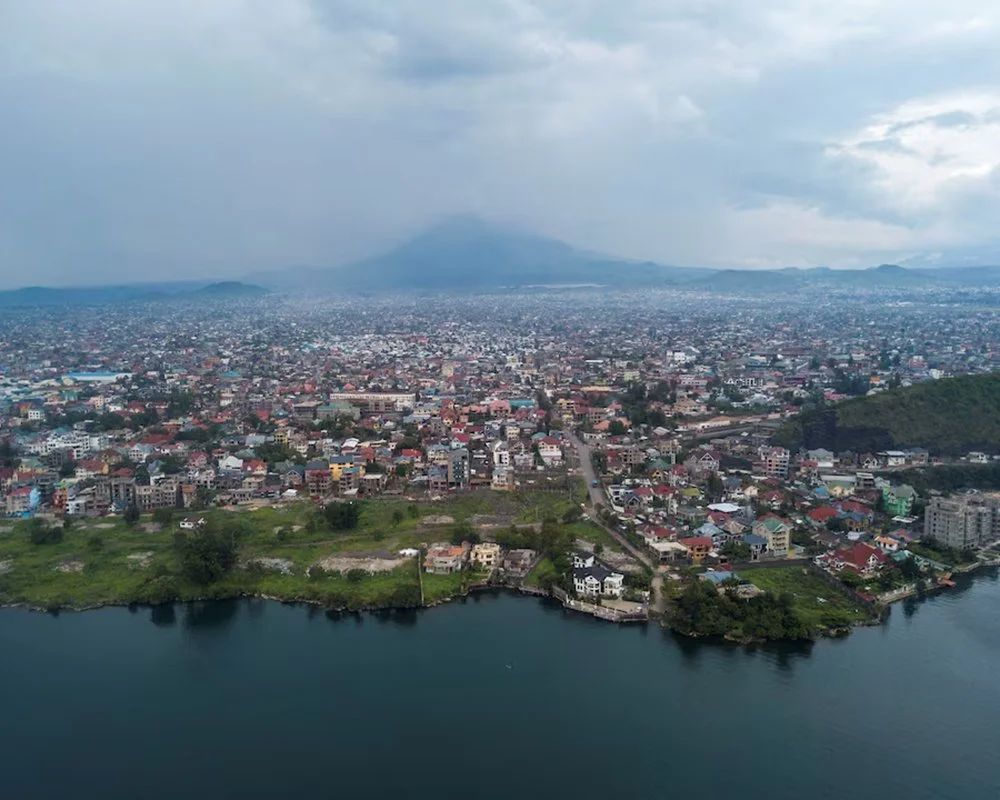
Lisa is from Goma, a vibrant city of 2 million residents on the shore of Lake Kivu. She spent her days caring for her parents, children, and younger siblings. In a city known for its festive music and bustling port, Lisa led a dignified life built on the profound sense of community that defines the Congo.

Aerial view shows Lake Kivu and the skyline of the city of Goma, October 21, 2023. REUTERS/Arlette Bashizi

That peace was shattered in early 2025. Renewed violence by the armed rebel group M23 turned Goma’s neighborhoods into battlefields. Bombs fell across the city, homes were torched and looted, and soldiers tore hundreds of families apart.

“M23 entered my house and killed my father, my mother, my grandmother in front of my eyes. I fled with my little kids and my little siblings to Rwanda, and then our passports were taken. So I came to the Burundi border with no documents, no passport. We were told to go to the UN refugee agency.”

Lisa is among over 80,000 Congolese refugees who have fled to neighboring Burundi in the past year. While Burundi is a nation of rich geography—filled with rolling green mountains and the vastness of Lake Tanganyika—it’s also a country where over 70% of the population lives in stark poverty. The arrival of thousands of Congolese families like Lisa’s pushed already limited resources to the breaking point.

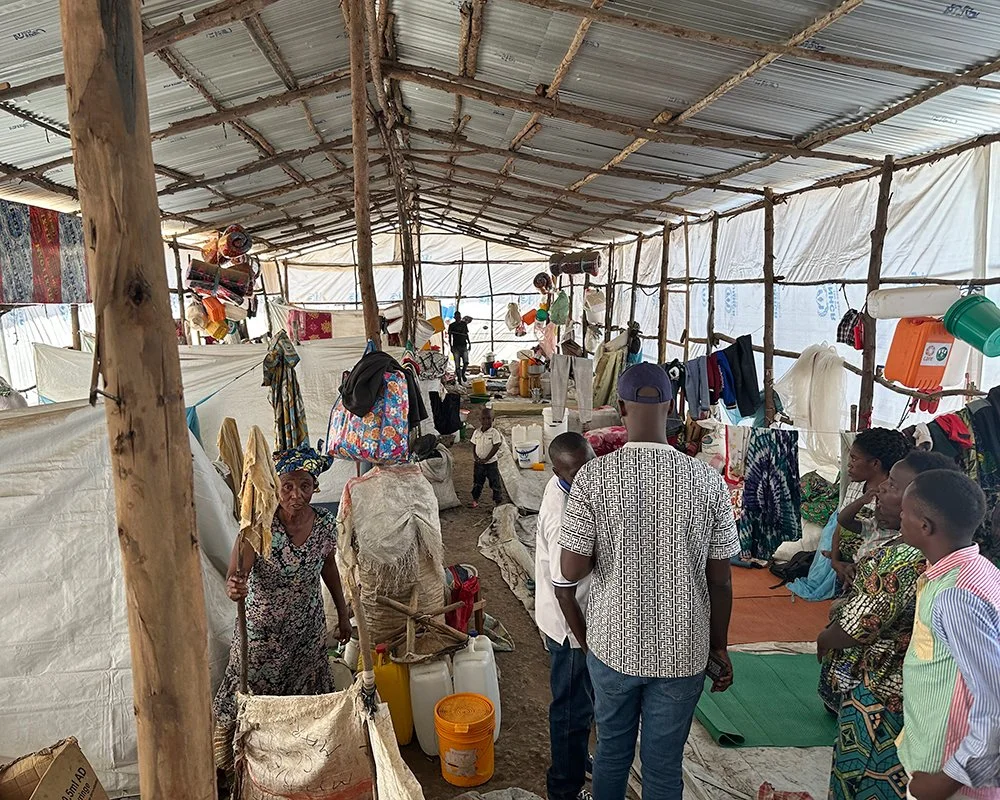
These tents house hundreds of Congolese people who have fled violence.

Safety from the militia didn’t mean an end to Lisa’s challenges. In the Rutana refugee camp, the situation is absolutely desperate. Originally built for 3,000 people, the camp now swells with over 20,000 residents crammed into makeshift tents. Food is scarce and disease runs rampant. As people huddle together on cold dirt floors, hope seems to be out of reach.

“Life here is extremely difficult. We survive on half a cup of beans per week. The nights are cold, and the washrooms are so dirty that people are getting constant infections.”

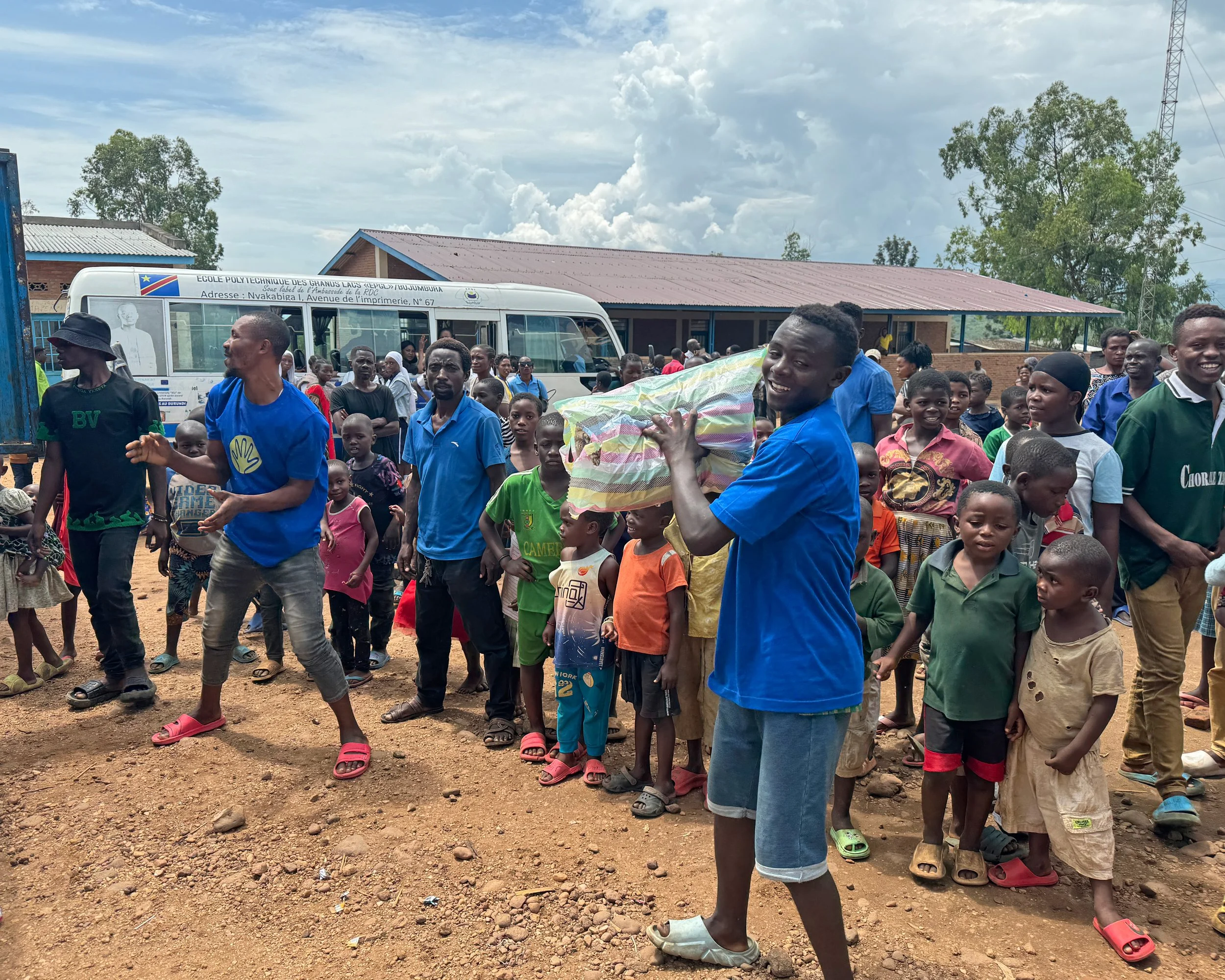
Our incredible team distributing aid.

Through LHI’s emergency relief efforts and our local partners, we’ve provided hundreds of Congolese refugee families with critical aid including food, blankets, and tarps. Under such dire conditions, these items helped Lisa claim a much needed sense of dignity and security.

“It’s so cold, so I will use this blanket to cover myself and my children. We can finally get some rest. And the parcel you brought us with beans will help us. Thank you so much for coming to help us. ”

Families can raise and breed goats for meat and income.

While emergency aid is vital for newcomers like Lisa, long-term rebuilding requires opportunity. Through conversations with refugee communities, we learned that one of the best paths to independence is livestock ownership. For refugees living in under-resourced camps, owning and breeding farm animals like goats opens the door to a brighter future. We also provide training and professional veterinary care to set families up for long-term success.

Nyamaneza is from the DRC, and now lives in Burundi with her four children.

During a goat distribution in Burundi’s Musasa refugee camp, we met Nyamaneza. Her story represents the long-term reality of displacement. She fled the DRC 18 years ago, and she's struggled to get by every day since then.

“Burundi is safe, but I was living in a small, borrowed space. We don’t have resources. I felt like I lost the light. So I was so happy to receive these two goats. These goats are not just animals. They are the seed for my business.”

By raising and breeding her new goats, Nyamaneza can feed her kids and send them to school.

With the help of her two older sons, Nyamaneza is meticulously managing her herd. Together, they’re reclaiming the light that seemed so out of reach.

“My goal is to build a small herd. Then, I can sell the baby goats and use that money to start a small business selling tomatoes and food. I will be able to support my four children on my own.”

Nyamaneza and other community members also agreed that when their first female goat is born, they'll gift it to another family in need. This way, the impact of a goat is multiplied, lifting up more families and equipping them with the resources and hope needed to rebuild.

More than half of the refugees in Burundi are children simply seeking safety.

Hundreds of refugees arrive in Burundi every day, and they are vastly overlooked by the international aid community. With your support, we can continue showing up for the world’s most vulnerable. All of our programs, from our emergency aid distributions to Animal Tracks, are powered by individual donors like you. Donate today to ensure Congolese families can access the exact support they need.