By Honor Smith-Wright, Impact Writer
When I graduated with my degree in Human Geography in 2022, I felt frustrated by writing about global issues without being able to engage with them on the ground. I knew my next step needed to be working with a grassroots organization, and so I started looking for NGOs where I could volunteer my time.
After a bit of research, I found Lifting Hands International: a charity running a Community Center for refugees living in the local camp in Serres, Northern Greece. I immediately knew it was something I wanted to be part of.
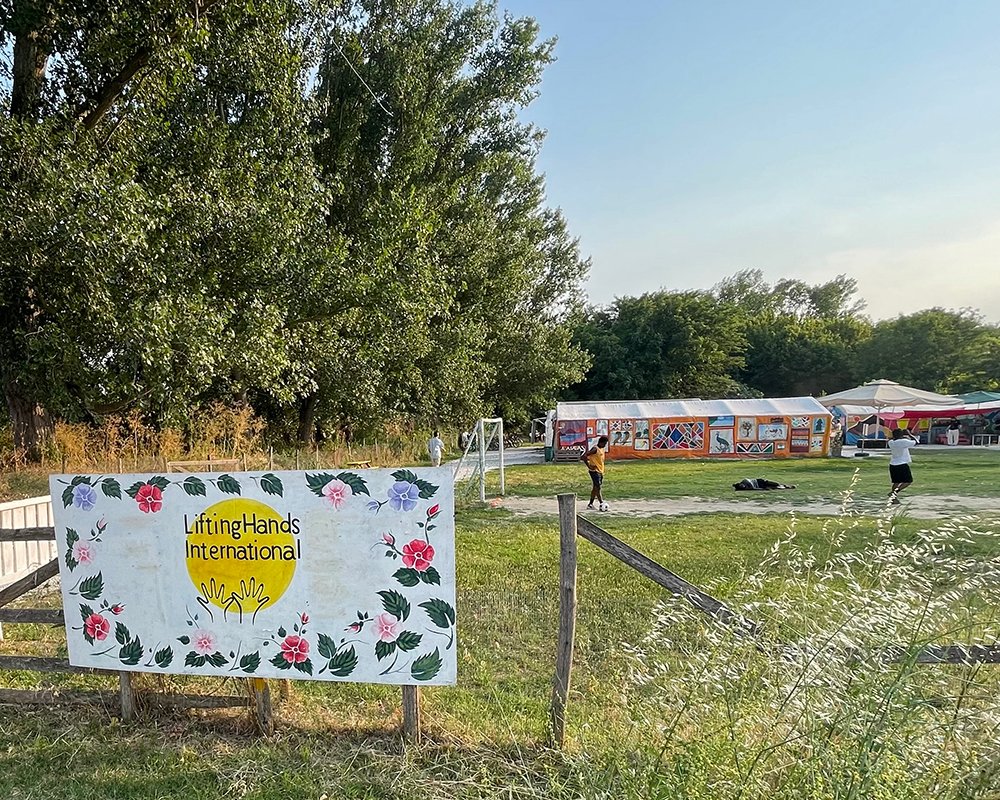
What excited me was the range of programs they offered: a women’s space, children’s activities, language classes, professional development support, and arts and recreation workshops. I loved that these programs were designed not only to meet immediate needs, but also to build community for people living in limbo while waiting for asylum decisions. In many cases, people can wait a year, two years or even longer before receiving a decision.
Two weeks later, I flew to Greece. I arrived in Thessaloniki and—armed with careful instructions from the team and a surprisingly helpful YouTube video—managed to navigate the bus journey to Serres, where I would spend the next few months.
As I stepped off the bus, I was met by warm evening air carrying the smell of bougatsa and grilled gyros. The sounds of bustling market stalls, Greek chatter, and beeping scooters flew around the city. I arrived at the volunteer apartment where I was welcomed by a team of nine women from all over the world—people I would come to form great connections with. We spent the evening getting to know one another, and in my stomach tingled butterflies about the next day: my first day at LHI.
The next morning, I was given a bike that would become my main way of getting to the Community Center. We cycled through Serres towards the outskirts of the city, where the refugee camp of over 1,000 residents was located. Refugee camps are often built away from town centers, making it difficult for people to access services, work, and local communities. LHI responds to those gaps, offering access to education and a sense of community that can be missing from camp life.
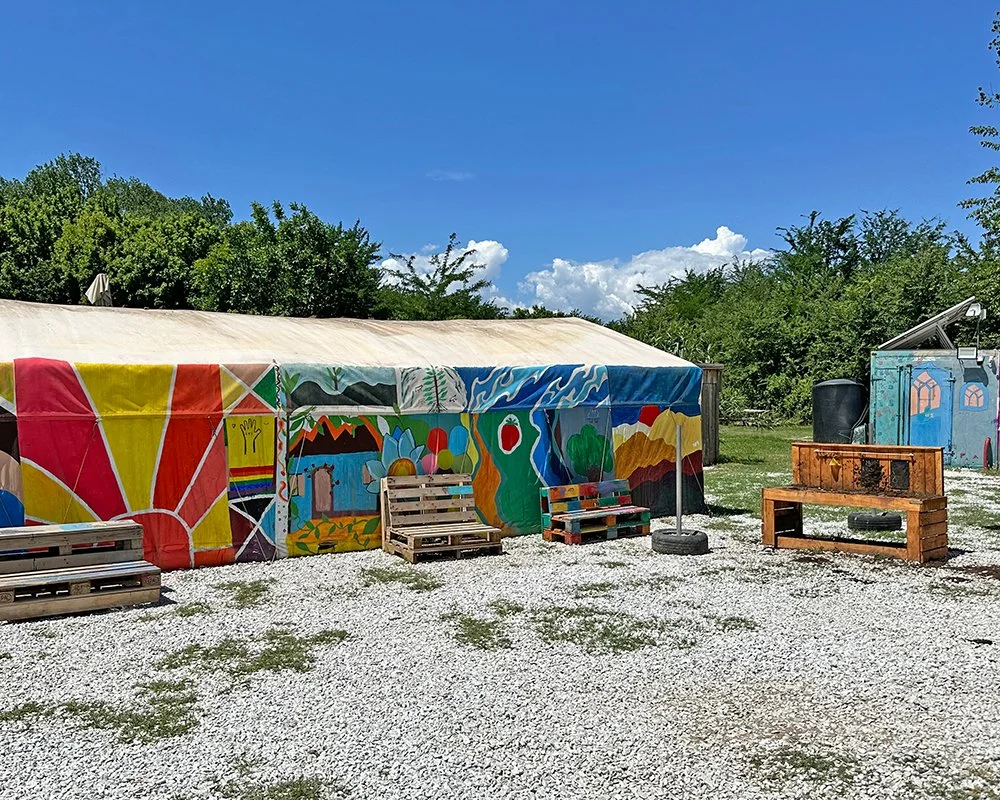
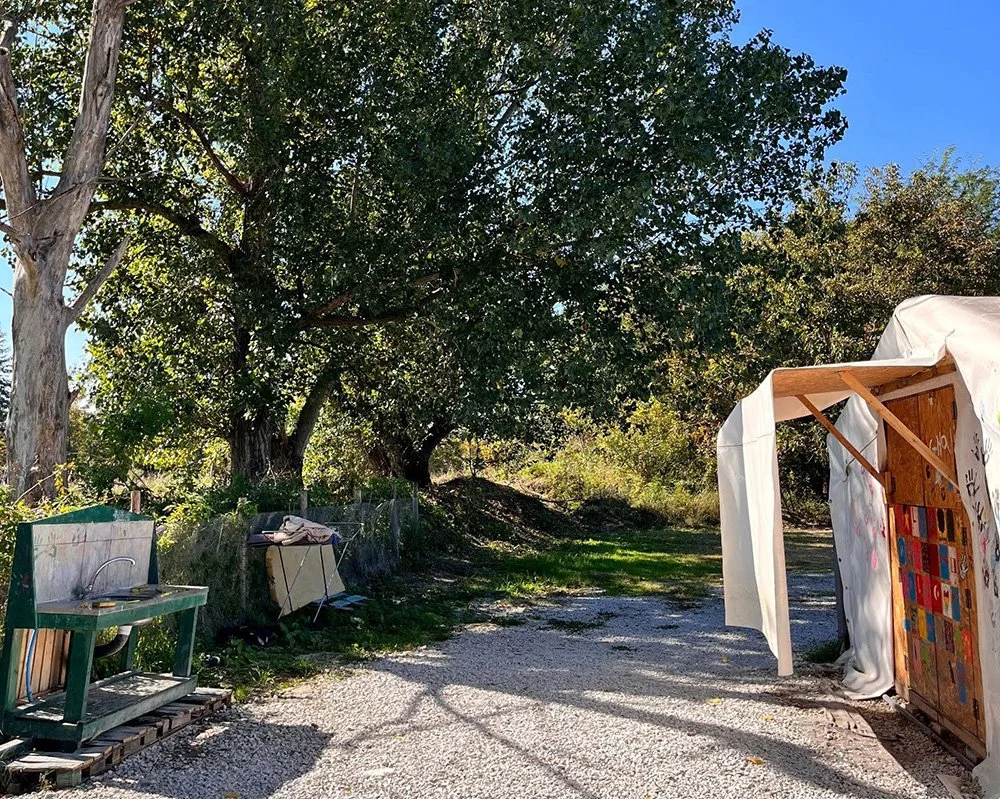
About 100 meters from the camp entrance stood the LHI field. On my first day, I was struck by the contrast. LHI’s space was full of greenery, painted murals, vegetable gardens, and canvas tents buzzing with activity. The camp beside it felt industrial, colourless and temporary—a place where thousands of people seeking safety were left waiting.
On a typical day, around 200–300 people from different countries including Syria, Afghanistan, Palestine, Sudan, Djibouti and Eritrea, came to the Center. However, the largest group in the camp were Yazidis—an ethnoreligious minority from Northern Iraq and the wider Mesopotamian region.
In 2014, the Yazidi community was targeted by ISIS in a violent, genocidal campaign. As families sought asylum across Europe, efforts were made to keep communities together. This is one of the reasons why a large Yazidi population came to be living in Serres camp. (If you'd like to learn more about the Yazidi community, I would highly recommend reading The Last Girl by Nadia Murad, or for a fictional account about the Yazidi people themselves, There Are Rivers in the Sky by Elif Shafak.)
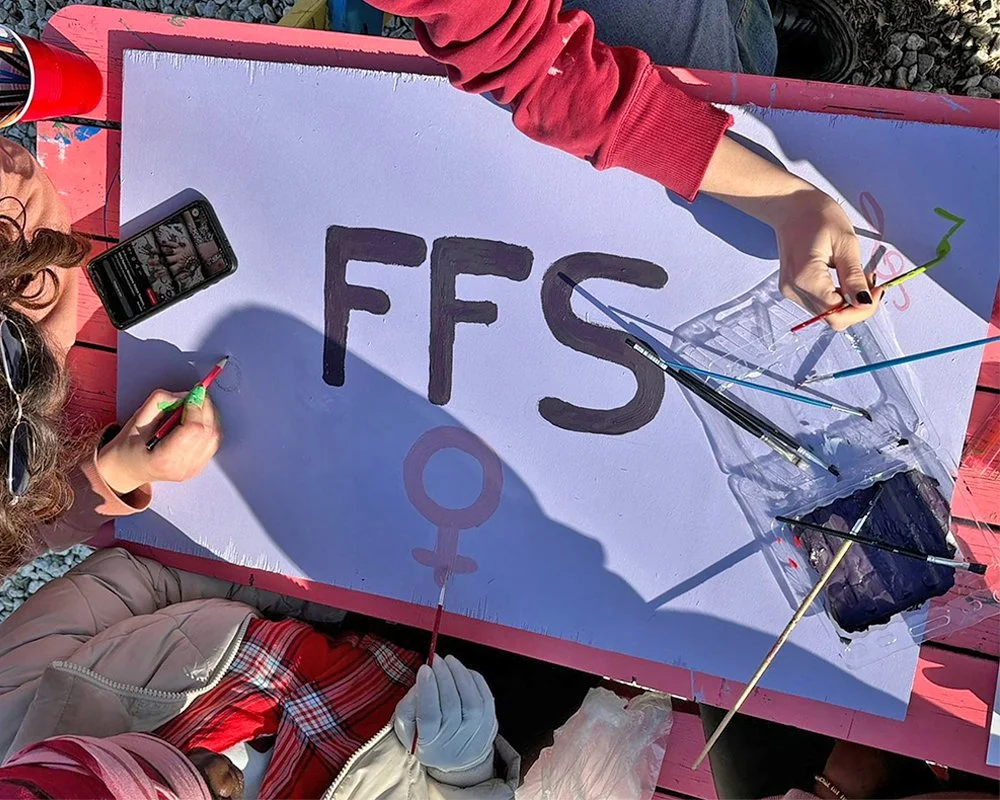
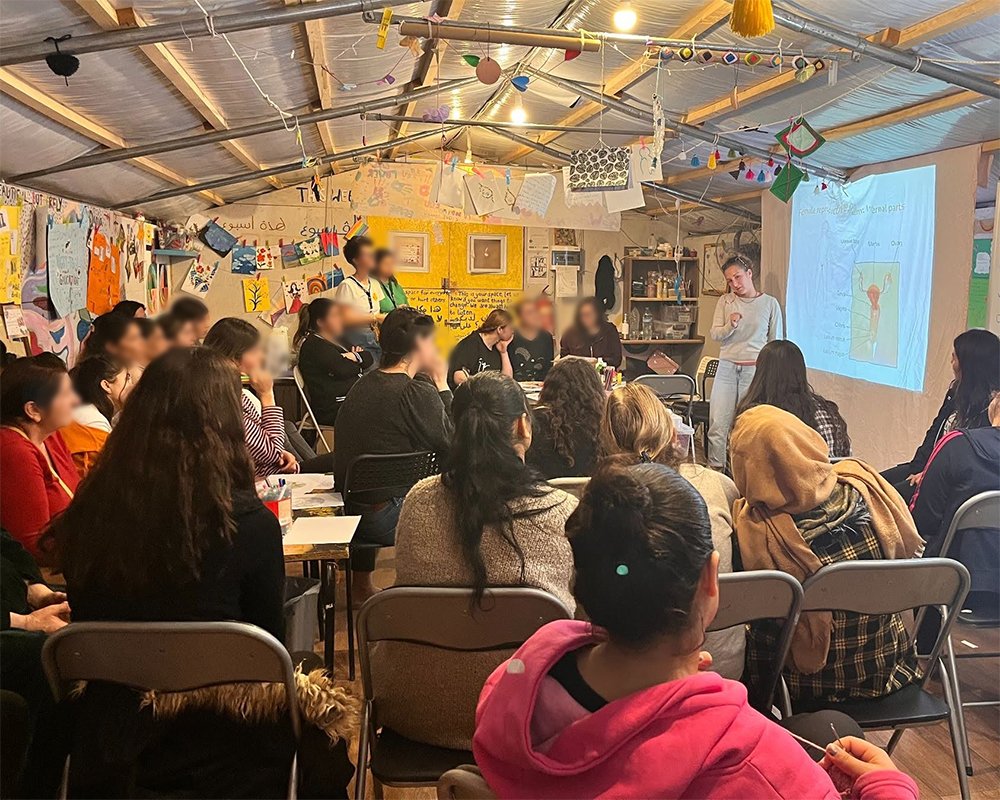
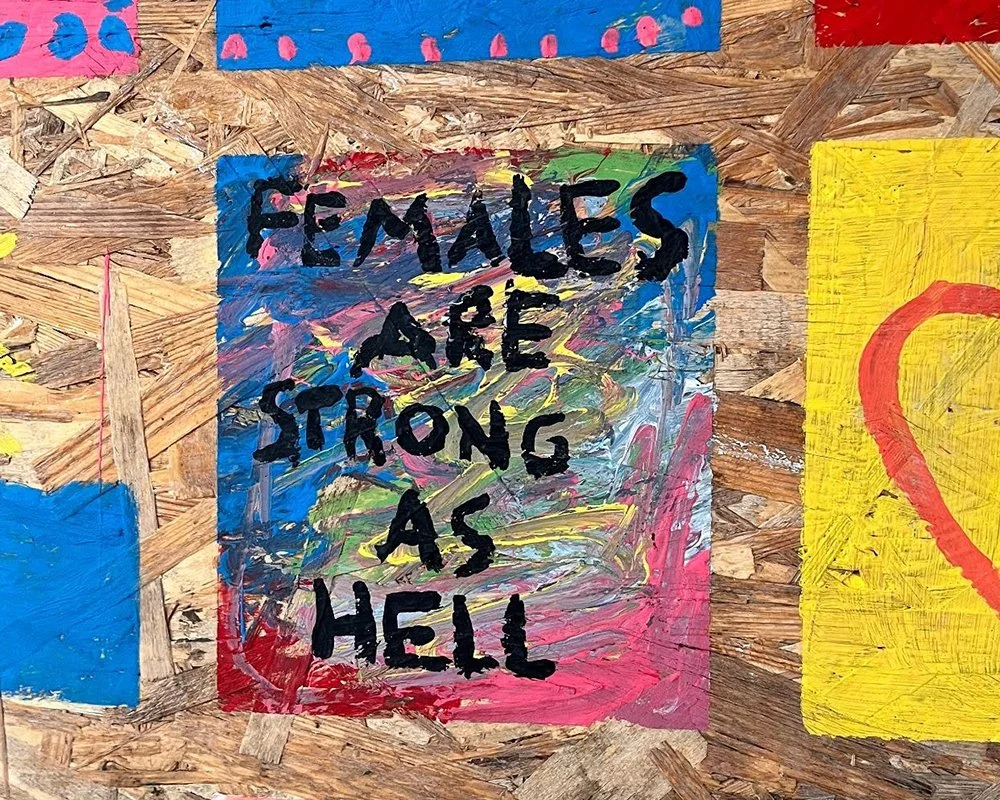
Over the next few months, I spent most of my time in the Female Friendly Space (FFS), supporting activities and workshops for women. We ran programs like jewellery-making sessions, painting classes, and spa days. It was in the FFS that the wonderful women there taught me how to crochet—a craft I still love today and one I owe entirely to them.
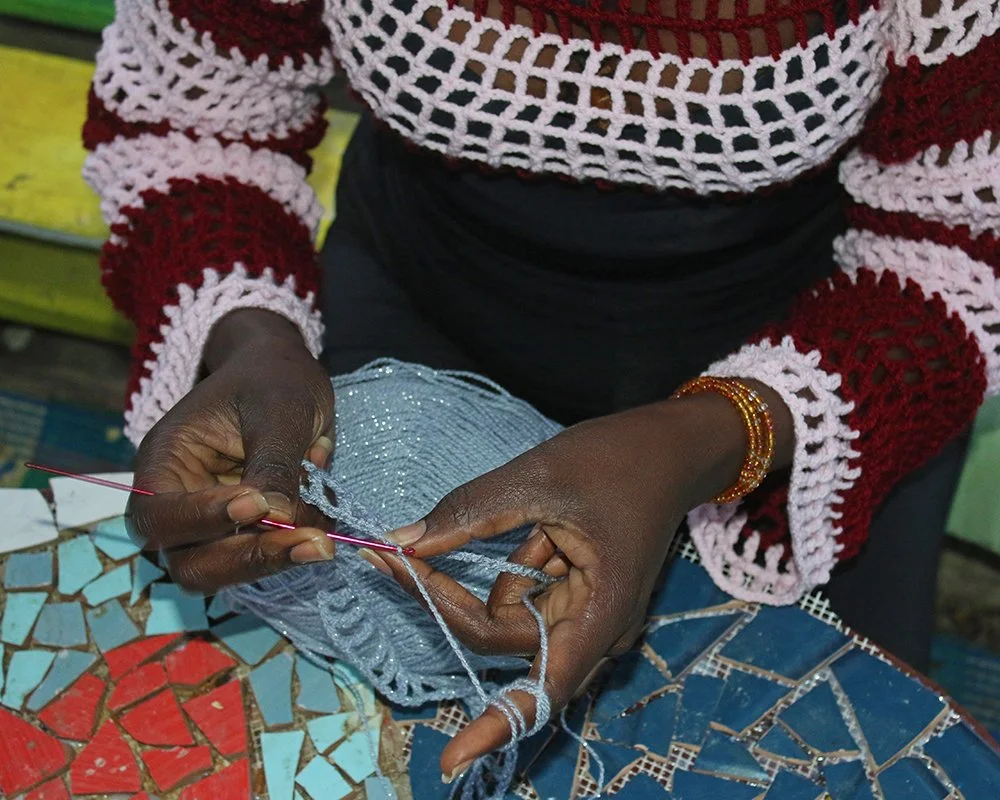
Paying attention to women in refugee contexts is especially important. Displacement can affect everyone, but women often face additional challenges, including higher risks of sexual violence, difficulty finding work, and barriers to accessing healthcare. Spaces like the FFS address these realities, offering a safe place to exist during periods of uncertainty.
One memory that has stayed with me from the FFS was the World Food Day celebration, where members of the community and volunteers brought dishes from their home countries. The line up was wonderful: shilik, a traditional flatbread made by the Yazidi community; chelow, a Persian saffron rice dish; lahoh, a pancake-like bread from Djibouti; and muhammara, a roasted red pepper dip from Syria.
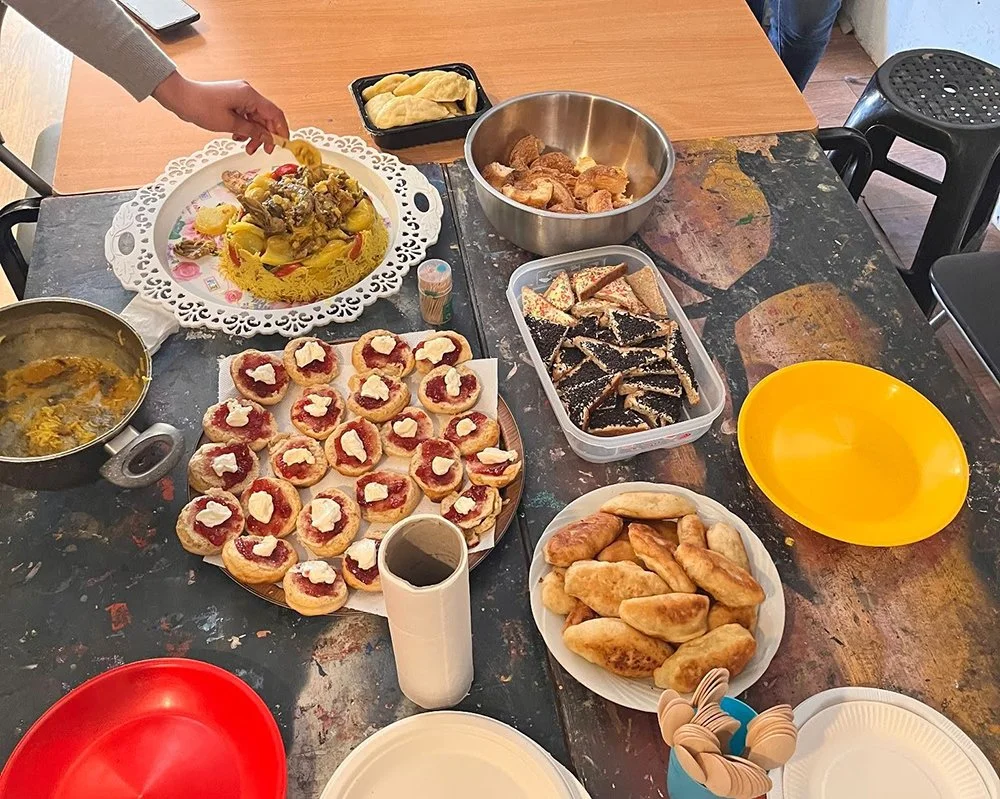
Despite the limited resources, there was so much joy in being able to share food with one another. People took pride in introducing others to their culture, explaining family recipes and encouraging everyone to try something new. For a few hours, the focus wasn't on asylum claims, camp life, or uncertainty about the future, but about sharing what home meant.
Being in Greece, at one of the main entry points into Europe, taught me about the realities of displacement in a way that studying couldn’t. The experience showed me just how much people seeking asylum endure while waiting in uncertainty, living in camps that lack many of the things we associate with being human. Projects like LHI’s Community Center in Serres showed me that alongside food, shelter, and legal support, community and a space to feel human are equally important for people navigating displacement.
Honor Smith-Wright began her work with Lifting Hands International as a volunteer in Serres, Greece. She works in purpose-led communications, with a focus on platforming stories that drive systemic change. Honor now contributes to LHI as an Impact Writer.