Every refugee's journey is different, and so are their needs. That's why we meet people where they are, to better understand how to help. Standing in solidarity with people—rather than assuming we know what’s best—ensures we provide effective support and aid that’s truly needed.
Over the past few years, we’ve worked deeply with people affected by increasing militia violence in the Democratic Republic of the Congo (DRC), a mineral rich country in central Africa. For decades, external exploitation and global greed for resources like cobalt and gold have fueled over 100 different militia groups. These groups fight for control of mining territory, leaving a trail of displacement and systemic violence in their wake. Many Congolese people, like Lisa, just recently fled to the neighboring country of Burundi. Others, like Nyamaneza, arrived in Burundi many years ago, and have struggled to find a stable path forward.
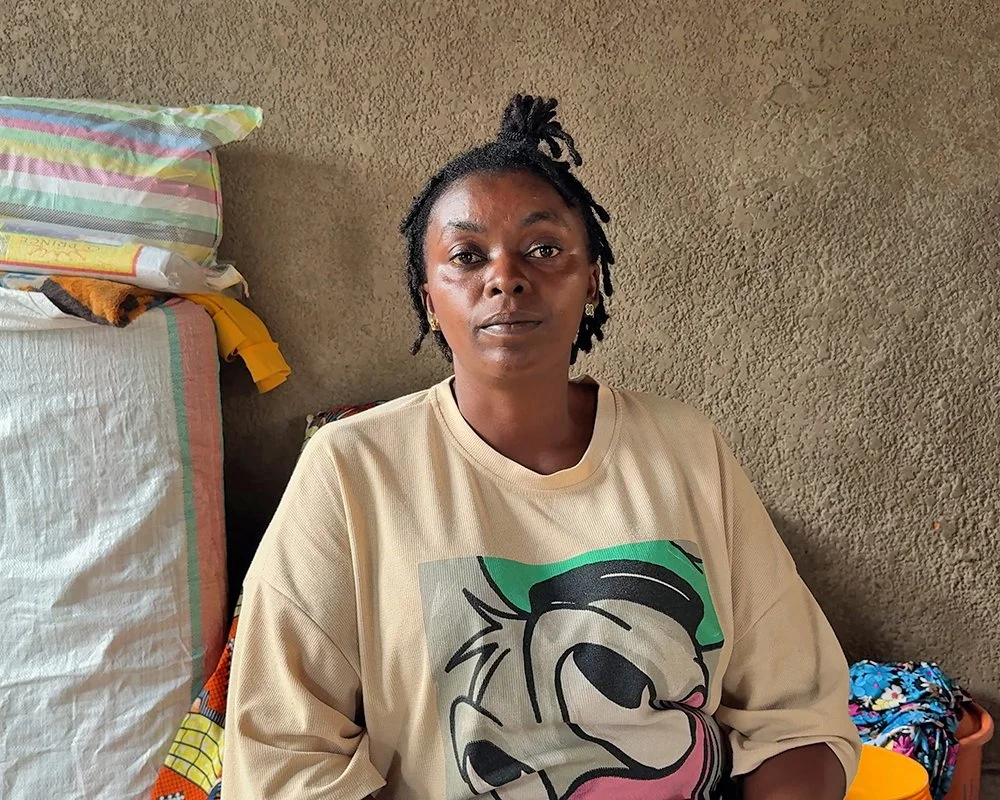
We met Lisa during a distribution of emergency aid in Burundi’s Rutana refugee camp.
Lisa is from Goma, a vibrant city of 2 million residents on the shore of Lake Kivu. She spent her days caring for her parents, children, and younger siblings. In a city known for its festive music and bustling port, Lisa led a dignified life built on the profound sense of community that defines the Congo.
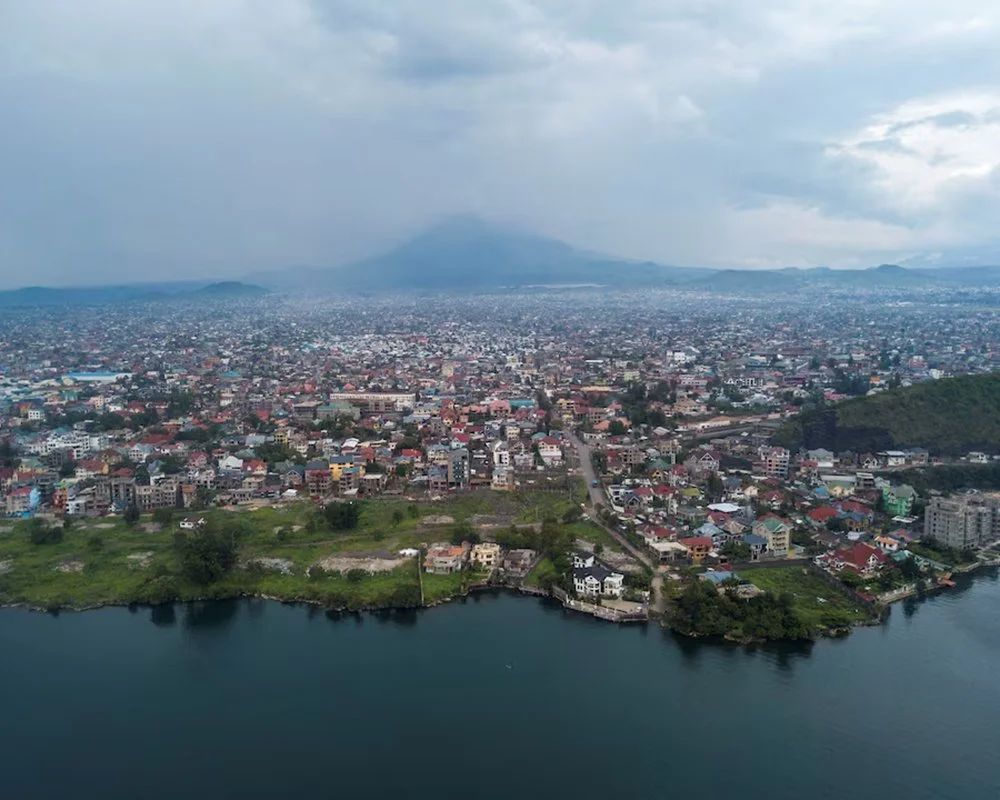
Aerial view shows Lake Kivu and the skyline of the city of Goma, October 21, 2023. REUTERS/Arlette Bashizi
That peace was shattered in early 2025. Renewed violence by the armed rebel group M23 turned Goma’s neighborhoods into battlefields. Bombs fell across the city, homes were torched and looted, and soldiers tore hundreds of families apart.
“M23 entered my house and killed my father, my mother, my grandmother in front of my eyes. I fled with my little kids and my little siblings to Rwanda, and then our passports were taken. So I came to the Burundi border with no documents, no passport. We were told to go to the UN refugee agency.”
Lisa is among over 80,000 Congolese refugees who have fled to neighboring Burundi in the past year. While Burundi is a nation of rich geography—filled with rolling green mountains and the vastness of Lake Tanganyika—it’s also a country where over 70% of the population lives in stark poverty. The arrival of thousands of Congolese families like Lisa’s pushed already limited resources to the breaking point.
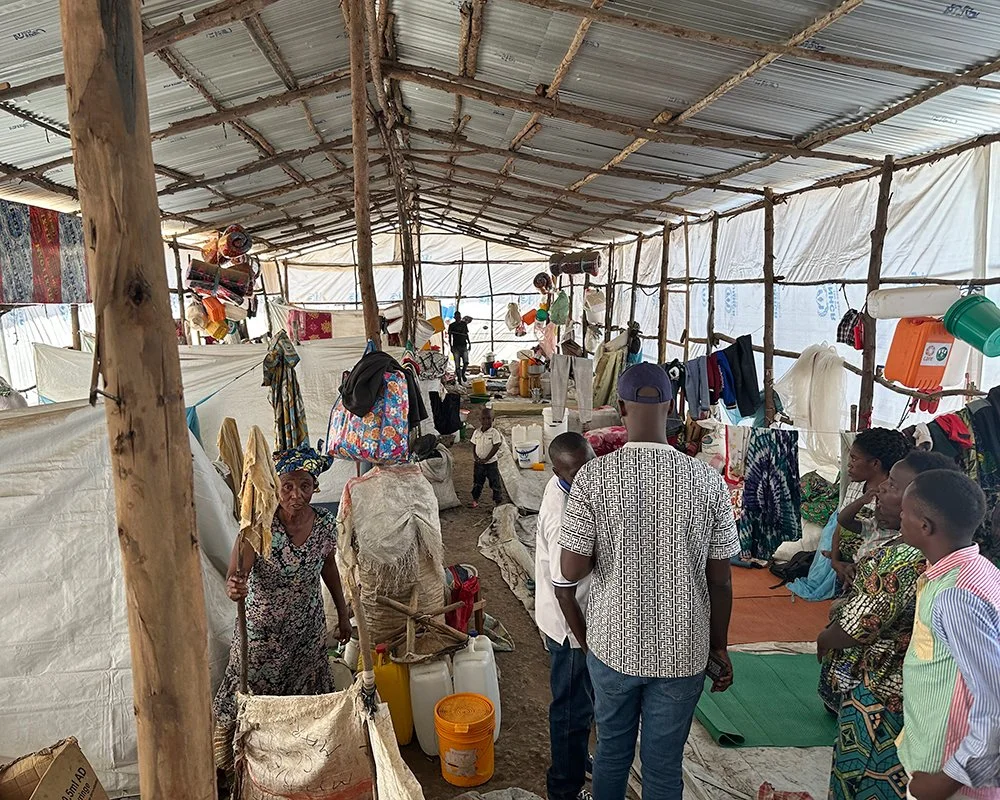
These tents house hundreds of Congolese people who have fled violence.
Safety from the militia didn’t mean an end to Lisa’s challenges. In the Rutana refugee camp, the situation is absolutely desperate. Originally built for 3,000 people, the camp now swells with over 20,000 residents crammed into makeshift tents. Food is scarce and disease runs rampant. As people huddle together on cold dirt floors, hope seems to be out of reach.
“Life here is extremely difficult. We survive on half a cup of beans per week. The nights are cold, and the washrooms are so dirty that people are getting constant infections.”
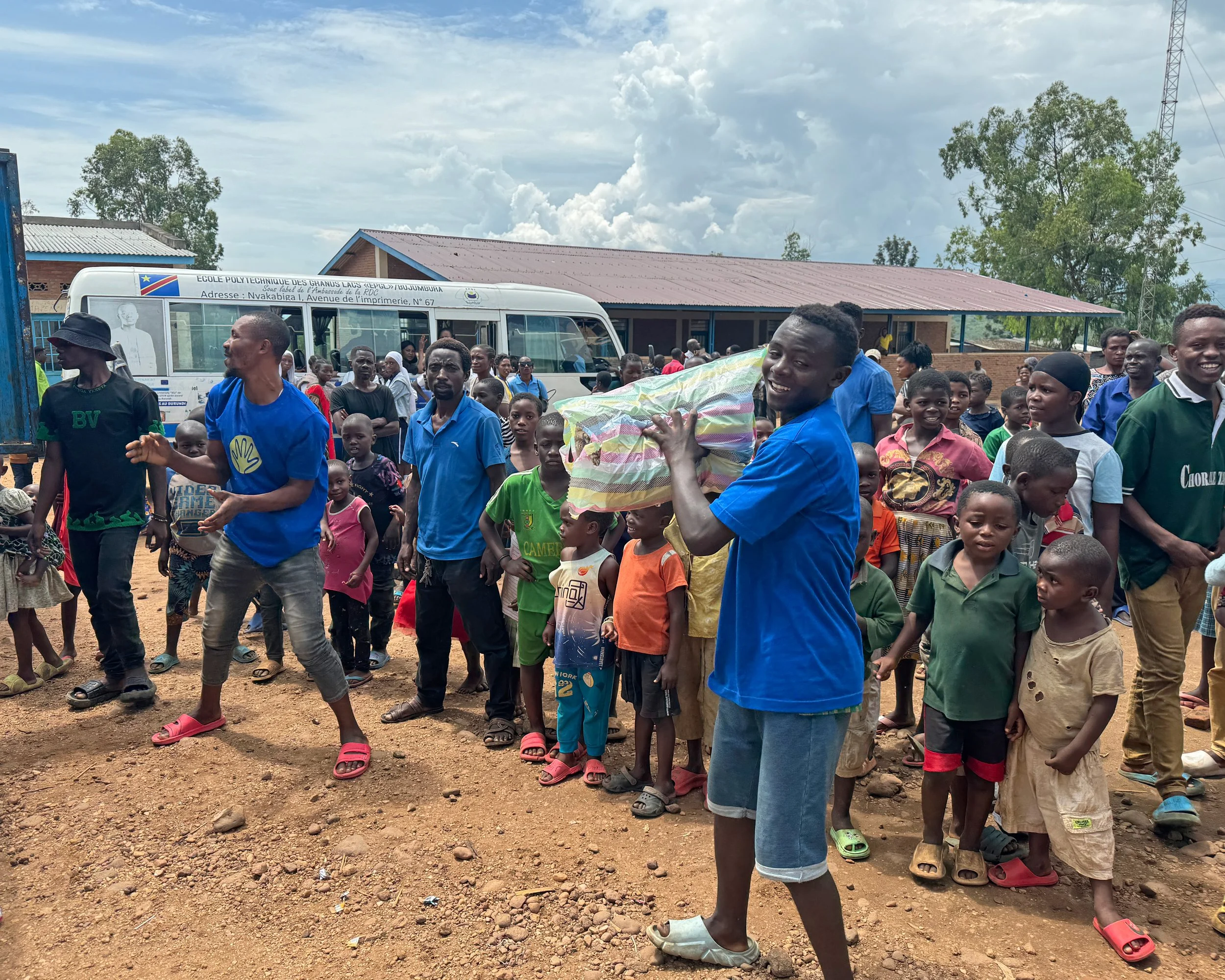
Our incredible team distributing aid.
Through LHI’s emergency relief efforts and our local partners, we’ve provided hundreds of Congolese refugee families with critical aid including food, blankets, and tarps. Under such dire conditions, these items helped Lisa claim a much needed sense of dignity and security.
“It’s so cold, so I will use this blanket to cover myself and my children. We can finally get some rest. And the parcel you brought us with beans will help us. Thank you so much for coming to help us. ”
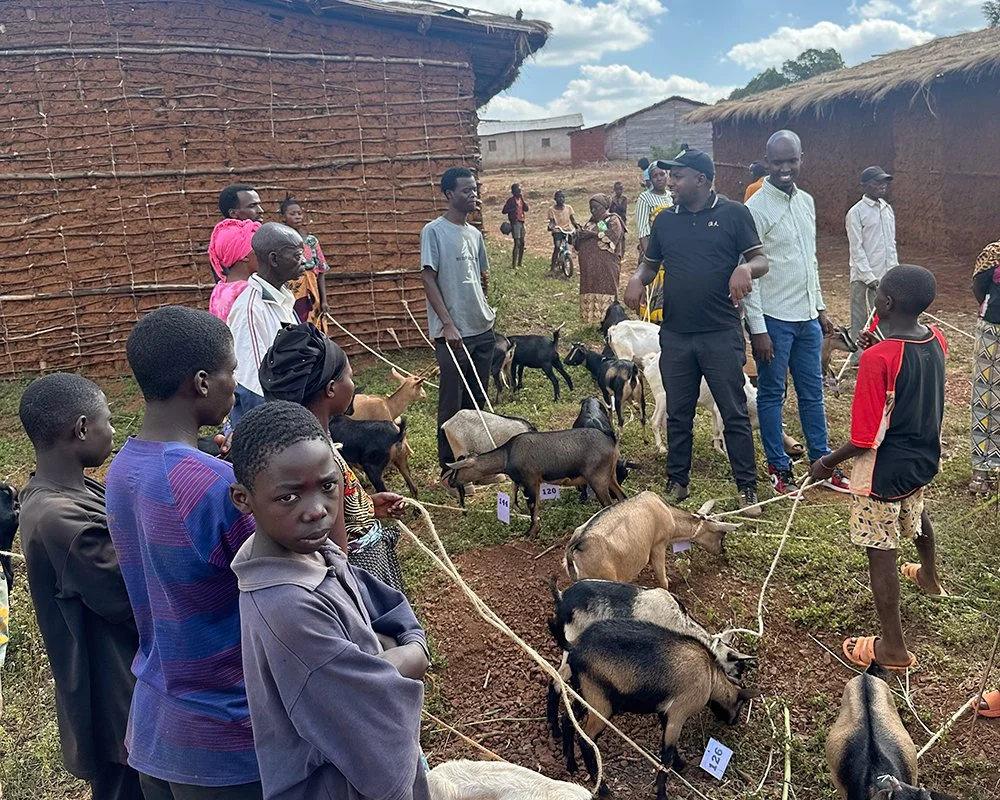
Families can raise and breed goats for meat and income.
While emergency aid is vital for newcomers like Lisa, long-term rebuilding requires opportunity. Through conversations with refugee communities, we learned that one of the best paths to independence is livestock ownership. For refugees living in under-resourced camps, owning and breeding farm animals like goats opens the door to a brighter future. We also provide training and professional veterinary care to set families up for long-term success.
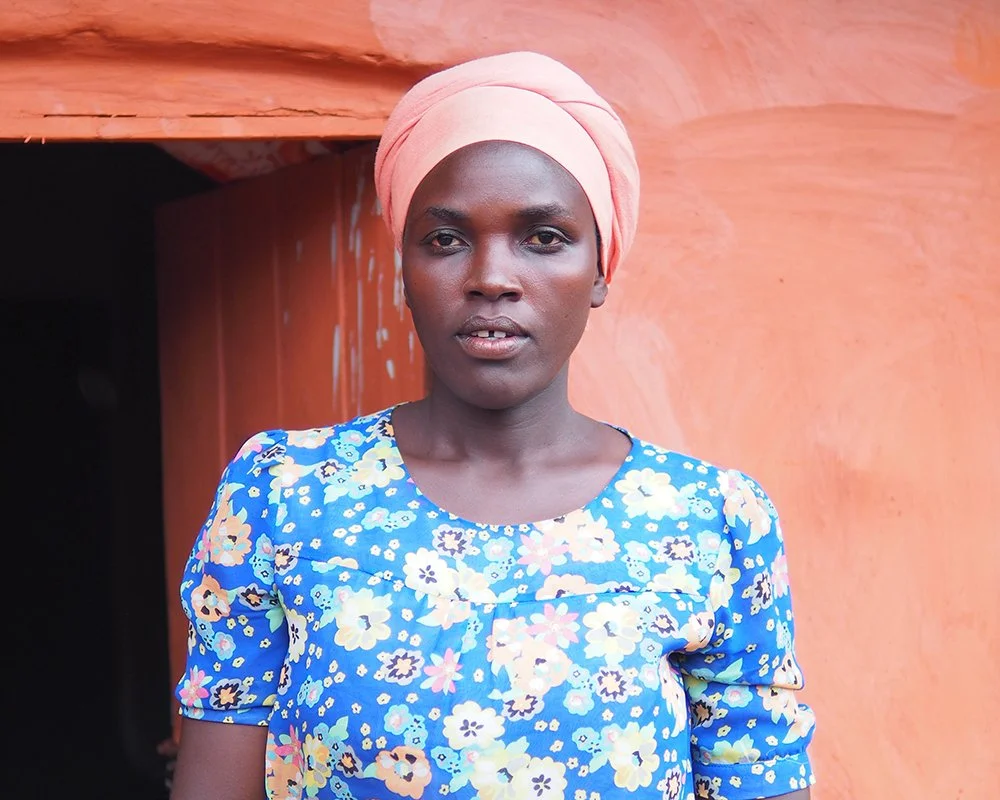
Nyamaneza is from the DRC, and now lives in Burundi with her four children.
During a goat distribution in Burundi’s Musasa refugee camp, we met Nyamaneza. Her story represents the long-term reality of displacement. She fled the DRC 18 years ago, and she's struggled to get by every day since then.
“Burundi is safe, but I was living in a small, borrowed space. We don’t have resources. I felt like I lost the light. So I was so happy to receive these two goats. These goats are not just animals. They are the seed for my business.”
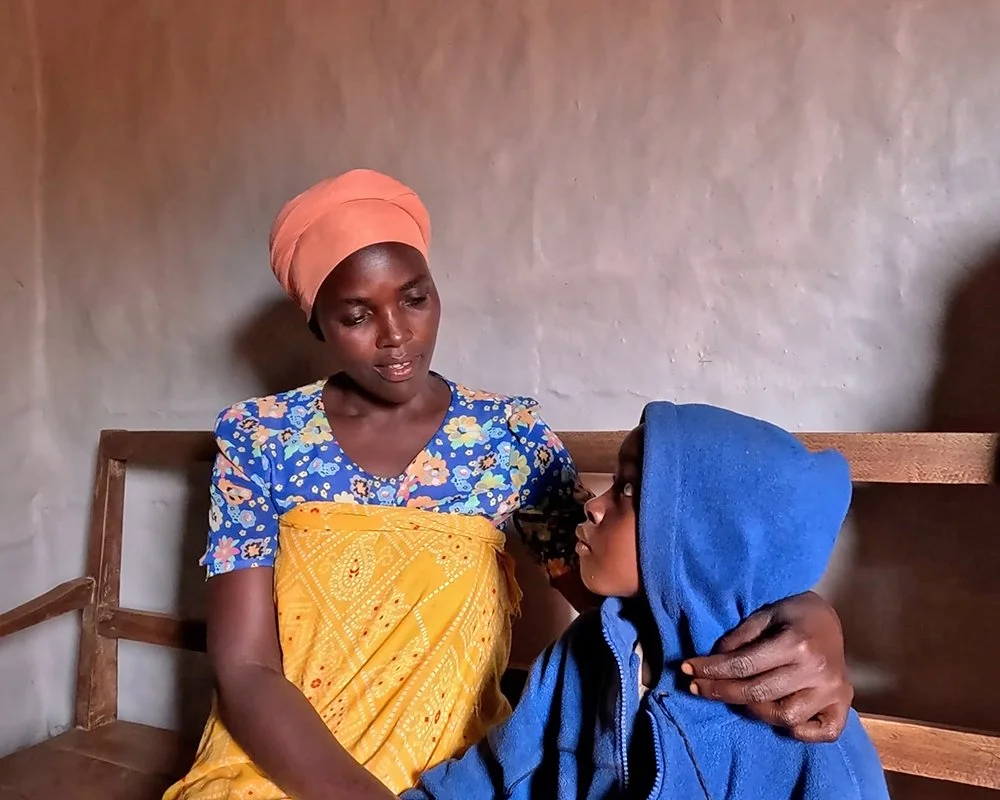
By raising and breeding her new goats, Nyamaneza can feed her kids and send them to school.
With the help of her two older sons, Nyamaneza is meticulously managing her herd. Together, they’re reclaiming the light that seemed so out of reach.
“My goal is to build a small herd. Then, I can sell the baby goats and use that money to start a small business selling tomatoes and food. I will be able to support my four children on my own.”
Nyamaneza and other community members also agreed that when their first female goat is born, they'll gift it to another family in need. This way, the impact of a goat is multiplied, lifting up more families and equipping them with the resources and hope needed to rebuild.
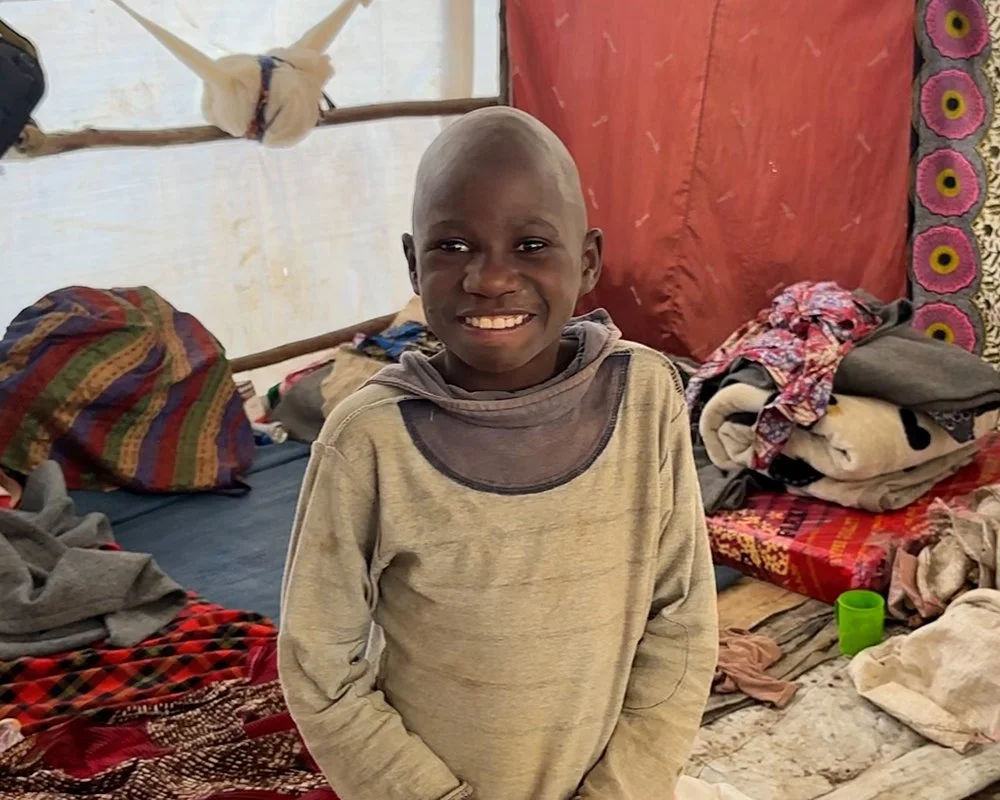
More than half of the refugees in Burundi are children simply seeking safety.
Hundreds of refugees arrive in Burundi every day, and they are vastly overlooked by the international aid community. With your support, we can continue showing up for the world’s most vulnerable. All of our programs, from our emergency aid distributions to Animal Tracks, are powered by individual donors like you. Donate today to ensure Congolese families can access the exact support they need.